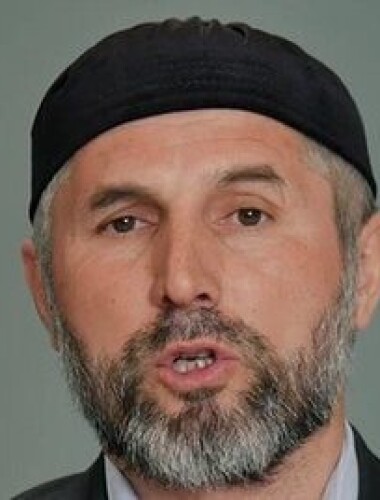
Date of birth: March 8, 1972 (54 years old)
citizenship: Россия
Occupation: политика; активизм
Pursuit stage:
end of prosecution
Sentence:
9 лет лишения свободы в колонии общего режима, 1 год 6 месяцев ограничения свободы
Date of sentencing:
December 15, 2021
Current location:
not in custody
Date of release:
February 3, 2026
Lists of persecuted:
Archive
Musa Aslanovich Malsagov was born on March 8, 1972. He is a resident of the city of Nazran. He is the chair of IKNE, co-chair of the World Congress of the Ingush People, chair of the Ingushetia branch of the All-Russian Public Organization “Russian Red Cross,” and a former deputy of the People’s Assembly of the Republic of Ingushetia from the party United Russia. He has a higher education degree. He is married and has four minor children.
He was sentenced to 9 years in a general-regime penal colony under Article 33, Part 3, and Article 318, Part 2 of the Criminal Code of the Russian Federation (“Organization of violence dangerous to the life or health of representatives of the authorities in connection with the performance of their official duties”) and Article 282.1, Part 1 of the Criminal Code of the Russian Federation (“Creation of an extremist community”).
The appellate court upheld the sentence without changes. He has been in custody since April 3, 2019.