Cases against Melitopol journalists, a monk’s sentence, and prosecutions over alleged links to the ‘Freedom of Russia’ Legion
Read our overview of these and other cases of political prisoners we have recognised this week
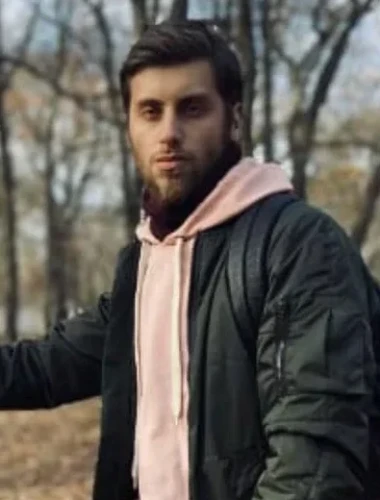
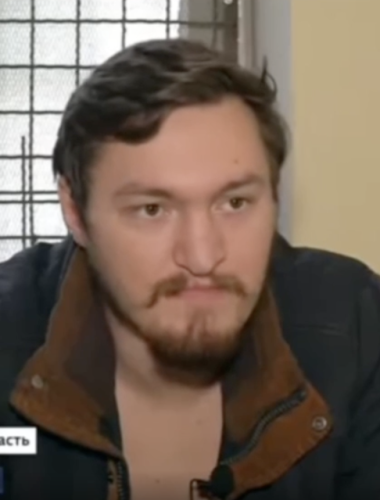
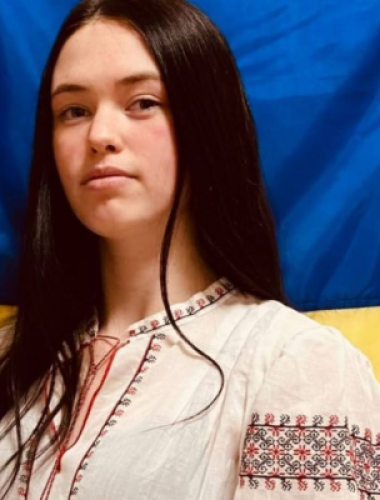
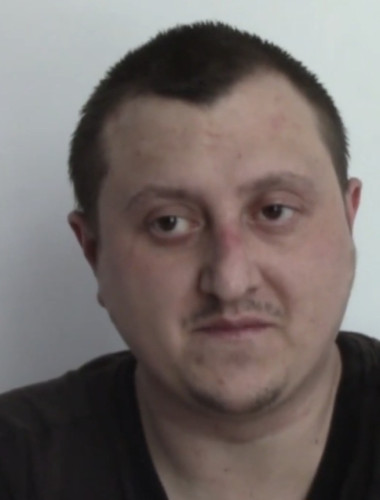
Seven journalists from occupied Melitopol in Ukraine were abducted in August 2023, after which their whereabouts remained unknown for two months. They were later reported to have been tortured. Vladyslav Hershon, Oleksandr Malyshev, Maksym Rupchev, Yana Suvorova, and Denys Hlushchenko were subsequently charged with espionage, membership of a terrorist organisation, and the commission of a terrorist act. Investigators claim the group gathered intelligence to facilitate Ukrainian strikes on the occupation administration. In the autumn of 2025, courts in the occupied territory handed down sentences of 15 years to both Vladyslav Hershon and Maksym Rupchev, while Yana Suvorova was sentenced to 14 years. Heorhii Levchenko, who holds Russian citizenship, faces charges of treason and incitement to extremism for his reporting on the occupation authorities. The status of Anastasiia Hlukhovska remains unknown, as no formal charges against her have been disclosed.
In Zaporizhzhia Oblast, Mykola Tinkov, a pensioner, was detained following allegations that he transferred roughly 6,300 roubles to the Ukrainian armed forces. He was charged, as a foreign national present on Russian territory, with providing financial assistance to an adversary in activities against the security of the Russian Federation. In March 2026, he was sentenced to 10 years in a strict-regime penal colony.
The case of Pyotr Evgrafov from Saint Petersburg illustrates the cumulative nature of the charges brought against him. Detained in July 2022, he was initially sentenced in May 2023 to five and a half years for ‘preparation for treason’, based on an alleged intent to join the ‘Freedom of Russia’ Legion. By April 2024, a further sentence for ‘financing terrorism’ was added, stemming from a transfer reportedly made to a member of a Crimean Tatar battalion. His total term of imprisonment now stands at 10 years.
Aleksandr Bobretsov, a resident of Voronezh, was apprehended in Belgorod Oblast in October 2023 while allegedly attempting an unlawful border crossing into Ukraine. He was charged with attempted treason and participation in the ‘Freedom of Russia’ Legion. In October 2024, he was sentenced to 10 years in a strict-regime penal colony.
Oleksandr Shulha, a Ukrainian national living in Bryansk Oblast, met a similar fate after attempting to cross the border in November 2023. Accused of intending to join the Legion, he was sentenced to eight years in a strict-regime penal colony for attempted participation in a terrorist organisation and attempted unlawful border crossing.
Artyom Asalkhudin from Irkutsk Oblast faces an expansive indictment. Arrested in June 2024 for ‘justifying terrorism’ — a charge linked to a comment regarding an attack on a military recruitment officer — his case was later expanded to include five additional articles. Authorities allege he applied to join the Legion, painted graffiti on their orders, and planned to sabotage a railway relay cabinet. His charges include treason, preparation for sabotage, and training in sabotage, alongside a minor charge related to cultivating cannabis for personal use.
Timofei Khokhlov of Murmansk Oblast was prosecuted for his activity on Telegram. On the day of Aleksei Navalny’s death, Timofei Khokhlov reportedly called for NATO to hang Vladimir Putin and strike the Kremlin, later urging Ukraine to attack Kursk. He was sentenced to five years’ imprisonment for incitement to extremism and terrorism.
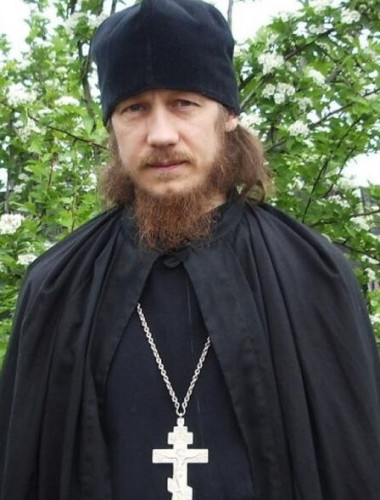
Hieromonk Nikandr, a cleric of the Russian Orthodox Church Outside Russia, was arrested in 2024 for ‘justifying terrorism’. The charge followed his description of Denis Kapustin, founder of the Russian Volunteer Corps, as ‘a fine man’ and an expression of personal ‘respect’. On 10 March 2026, he was sentenced to five and a half years in prison.
Aleksei Bedarev from Primorsky Krai has been held in pre-trial detention since 2025. He is accused of ‘confidential cooperation with foreign nationals’ and is alleged to have intended to gather intelligence on Ministry of Defence facilities.
Roman Gromov, a ‘train surfer’ from Shchyolkovo in Moscow Oblast, faces similar accusations; he had previously expressed opposition to the war in Ukraine and is believed to have supported the Anti-Corruption Foundation.
Aleksei Ptushkin was placed under house arrest in Moscow in December 2025 for allegedly spreading ‘false information’. The prosecution cites Telegram comments in which he argued that politicians, rather than civilians, should be the ones to fight and die. He wrote: ‘I hope the time will come without wars — without any Putins or Aliyevs placing themselves and their interests above humanity.’
You can read more about these cases, including addresses to write to the political prisoners, on our website.
By staying informed, sharing updates, or making one-off or regular contributions, you can help those affected by political repression in Russia.