From forced psychiatric treatment to long prison terms: new political prisoners
Among those recognised as political prisoners are individuals sentenced to lengthy prison terms, or subjected to compulsory psychiatric treatment, for comments, small financial transfers, or alleged links to Ukrainian units.
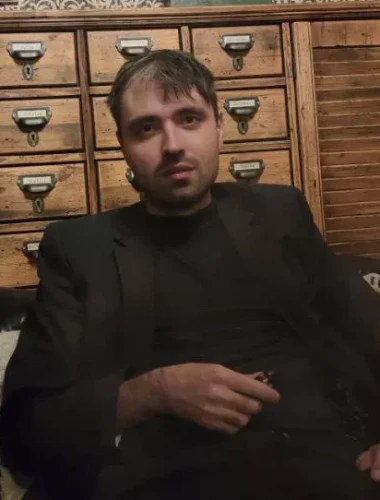
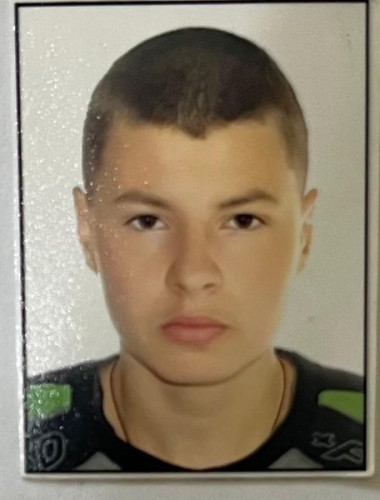
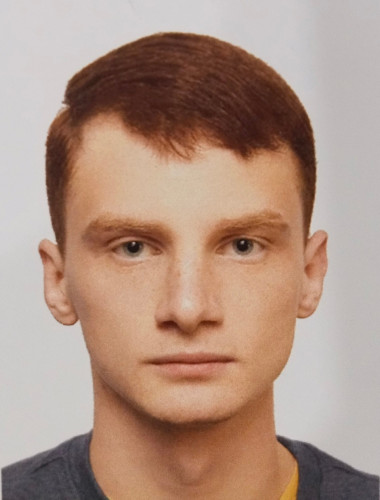
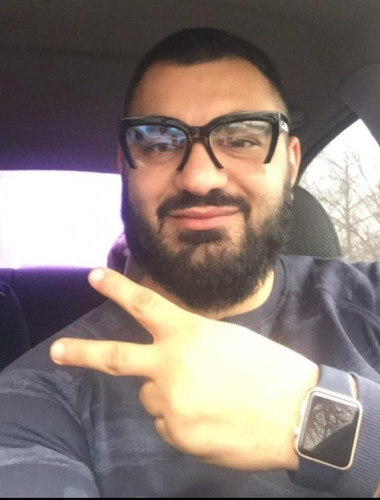
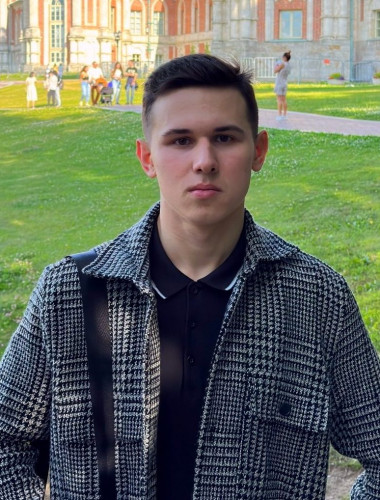
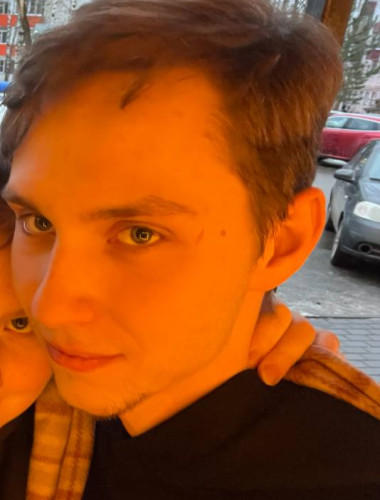
Dmitry Vlasov, an 18-year-old from Moscow, was arrested in February 2024. A year earlier, he and an online ‘acquaintance’ painted graffiti featuring the symbols of the Azov regiment. The same contact later introduced him to a supposed representative of the ‘Freedom of Russia’ Legion. At that person’s instruction, Dmitry Vlasov recorded a video oath and identified the location of surveillance cameras at a nearby police station. On 10 April 2025, he was sentenced to 12 years in a high-security penal colony for ‘terrorist propaganda’ and participation in a terrorist organisation.
Marat Barashkin, from Krasnodar, was detained on 9 April 2025. He was initially charged with incitement to terrorism over a Telegram comment — ‘those in St Petersburg, set fire’ — posted beneath news that prosecutors had sought to designate the Vesna movement as extremist. He was also accused of preparing to join a terrorist organisation after allegedly completing an application to the ‘Freedom of Russia’ Legion. On 7 October 2025, he was sentenced to seven years in a high-security colony.
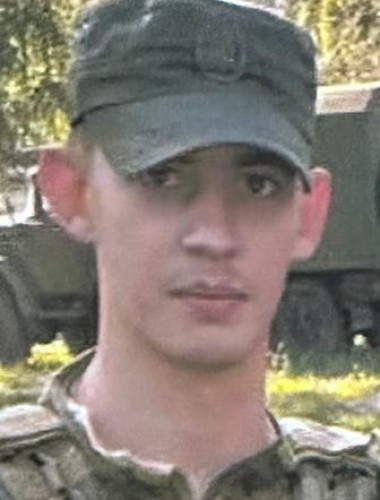
Vladislav Mayer, from Saint Petersburg, was arrested on 1 April 2025. He was accused of photographing military vessels in Kronstadt, apparently as part of an entrapment operation. Investigators also cited a 2024 comment about the Russian Volunteer Corps and a transfer of 1,300 roubles to Ukraine’s armed forces. On 14 November 2025, he was sentenced to 14 years in a high-security colony on charges of treason and ‘terrorist propaganda’.
Pavel Yakovlev, from Sverdlovsk Oblast, was arrested in February 2025 on charges of ‘justifying terrorism’. The case centres on a September 2022 comment — ‘Well done, lad’ — posted in response to news about Ruslan Zinin, who shot an officer from a military recruitment centre. On 13 November 2025, Pavel Yakovlev was sentenced to six years in a high-security colony.
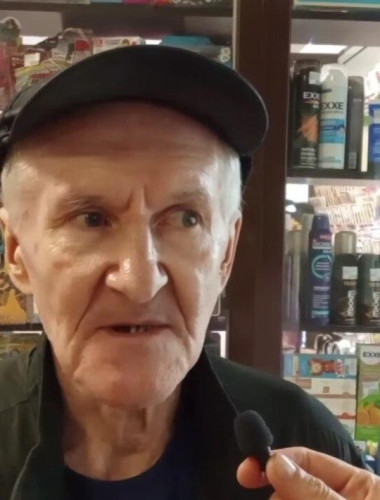
Yuri Avsenev, an elderly activist from Voronezh, is being prosecuted for incitement to extremism over a VK comment. Beneath a caricature of Volodymyr Zelensky, he wrote: ‘Death to the fascist occupiers with an AK!’ Investigators interpreted this as a call for violence against Russian servicemen ‘as a social group’. On 17 September 2025, a court ordered him to undergo compulsory psychiatric treatment.
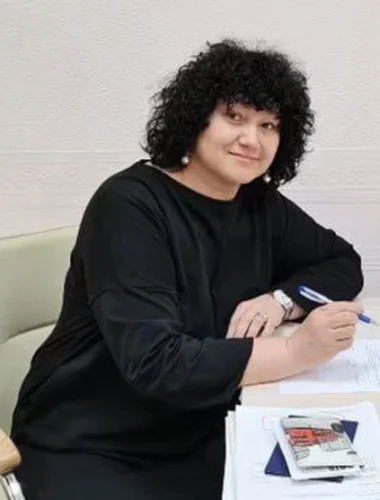
Oksana Bagirova, an anti-war activist from Ukhta, was arrested in September 2025, days after finishing second in elections to the Komi State Council as a Communist Party candidate. She was charged with ‘terrorist propaganda’ over online comments, including reposting a suggestion that ‘the average vatnik’ would like to see Sergei Shoigu ‘on the gallows’, and expressing admiration for a Ukrainian operation known as ‘Web’. On 16 March 2026, she was sentenced to six years in a penal colony.
Danil Zolotenky, from Moscow, was arrested in May 2025 on charges of treason and assisting terrorist activity. The case rests on a transfer of 5,000 roubles to an acquaintance, who is said to have forwarded the funds to the Russian Volunteer Corps. On 16 February 2026, Danil Zolotenky was sentenced to 14 years in a high-security colony.
Ovsep Nazlukhanian, from Luhansk, had a dispute with his employer in 2017 and reported the matter to Ukrainian law enforcement. In September 2020, he was detained and later charged with treason under the laws of the self-proclaimed ‘LNR’. In August 2021, he was sentenced to 13 years’ imprisonment.
Kyrylo Bieliaiev and Denys Hura, captured by Russian forces in 2024, are both servicemen of Ukraine’s Azov regiment. They were prosecuted for participation in a terrorist organisation, accused of carrying out ‘unlawful orders’ and threatening Russia’s security during fighting near Lyman. Both prisoners of war were sentenced to 14 years in a high-security colony.
You can read more about these cases, including addresses to write to the political prisoners, on our website.
By staying informed, sharing updates, or making one-off or regular contributions, you can help those affected by political repression in Russia.