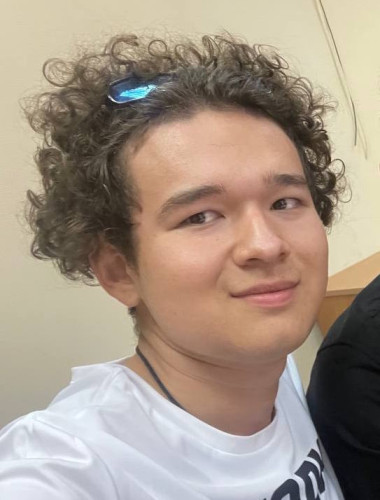
Fyodor Sidushkin is a political prisoner
A 21-year-old law student from Moscow sentenced to two years of compulsory labour for transferring 100 rubles to the founder of ‘Male State’ in 2022
Fyodor Sidushkin was born in Yoshkar-Ola. He studied at the All-Russian State University of Justice and was undertaking legal work in Moscow.
In June 2025, Sidushkin and a fellow student were detained following a confrontation with another group of people in a courtyard. Both were fined for petty hooliganism. The students appealed the fines, claiming that police officers had forged their signatures on official documents. Sidushkin said he had discovered 17 forged signatures. He sought to have criminal proceedings initiated against the police officers and repeatedly complained about the investigators’ inaction.
In February 2026, Sidushkin was detained and placed in a remand prison on charges of financing extremist activity (Part 1 of Article 282.3 of the Russian Criminal Code). The case was based on a transfer of 100 rubles to the personal account of Vladislav Pozdnyakov, the founder of the ‘Male State’ movement, which has been designated as extremist. Fyodor made the donation in September 2022, shortly after his 18th birthday.
The investigators concluded that Sidushkin had knowingly financed a banned movement. Evidence of his allegedly ‘extremist’ views included subscriptions to Telegram channels belonging to Aleksei Navalny, Ilya Yashin and other opposition figures.
In June 2026, the court sentenced Sidushkin to two years of compulsory labour.
We do not dispute the designation of ‘Male State’ as an extremist organisation and unequivocally condemn its activities aimed at inciting hatred. However, a transfer to Pozdnyakov’s personal account does not prove an intention to finance extremist activity specifically. The blogger solicits donations for various purposes, including personal expenses, humanitarian assistance for families, and support for the Russian army. In court, Sidushkin said that he had intended to support the latter fundraiser. Even if the transfer had been intended to finance extremist activity, the amount of 100 rubles makes the act negligible in terms of its significance. Prosecuting someone, let alone depriving them of their liberty, for such a transfer made almost four years earlier is absurd.
Furthermore, we believe that Sidushkin’s prosecution is selective and politically motivated. His case was handled by the same investigator whose inaction the student had complained about while seeking an investigation into the forged signatures. We are not aware of any other cases of criminal prosecution for donations to Pozdnyakov.
A detailed description of Sidushkin’s case and of our position is available in the case file.
How can you help?
According to volunteers, Fyodor is not asking for personal assistance and instead calls on people to support other political prisoners.
You can donate to help victims of political repression in Russia through a one-time or monthly donation.