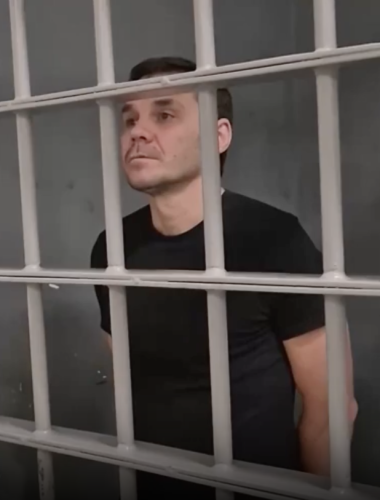
Russian–Swedish national sentenced to 14 years in a penal colony for transferring money to a Ukrainian serviceman via Revolut after three months of ‘carousel’ detentions
Maksim Artyomov, a 48-year-old dual Russian and Swedish national, has been sentenced to 14 years in a penal colony on a charge of high treason (Article 275 of the Russian Criminal Code). Information about the verdict was published on the website of the Third Court of Appeal of General Jurisdiction on 18 June. Mediazona first drew attention to the ruling.
According to the FSB, in 2024 Maksim Artyomov transferred money from his Revolut account to ‘a serviceman of the Ukrainian Armed Forces’, which investigators characterised as financial assistance to Ukrainian military formations. In footage recorded by the security services, Artyomov says the money was intended for an acquaintance serving with the Ukrainian Armed Forces to buy a new uniform.
According to the FSB case materials, Maksim Artyomov was born in Moscow. In 2002, he was released after serving a sentence for robbery, after which he moved to Sweden and obtained Swedish citizenship. In 2021, he relocated to Odesa. He was detained on 18 December 2024 at Sochi Airport after flying to Russia.
Mediazona established that the criminal case was preceded by months during which Maksim Artyomov was effectively held in custody without being charged with treason. On the day of his detention, police drew up an administrative offence report accusing him of disobeying police officers, and the Adler District Court sentenced him to ten days’ administrative detention. As each detention period was about to expire, courts in Sochi repeatedly imposed new terms of administrative detention based on similar reports. This so-called ‘carousel’ was repeated at least eight times. Artyomov was last sentenced to 15 days’ administrative detention in late March 2025.
This practice — repeatedly imposing administrative detention on spurious grounds while investigators prepare a criminal case — has been used by the security services for many years as a means of holding people in custody extrajudicially while circumventing procedural safeguards.