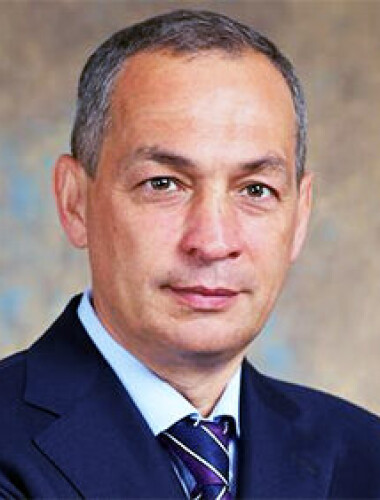
Political prisoner Alexander Shestun declares dry hunger strike after escalating protest in detention
Political prisoner Alexander Shestun, currently held at a prison hospital in Torzhok in Russia’s Tver region, formally declared a dry hunger strike on 8 April. He had stopped eating on 30 March and ceased drinking water on 7 April, according to his support group.
In a Telegram channel run by his supporters, his demands were set out as follows:
1. A long-term family visit with his children, cancelled at Penal Colony No. 6 in Bezhetsk.
2. The provision of a full list of his complaints submitted to supervisory authorities, including dates of dispatch, which he says have not been forwarded within the legally required 24 hours by the prison hospital’s special department and censor.
3. Recognition that the refusal of medical assistance violates Federal Law No. 323. The hospital’s head doctor has stated: ‘We cannot provide treatment, you have been sent for one month for a medical commission.’ The head of the ward independently obtained written consent for treatment due to his deteriorating condition, but the chief doctor prohibited it. Alexander Shestun was also denied dental treatment for three knocked-out front teeth at a private clinic at his own expense for the same reason.
Alexander Shestun states that his dental injuries were inflicted by Federal Penitentiary Service officers on 1 December 2025. In a letter, he claims officers held his head against the floor for around 15 minutes, allegedly to prevent him from ‘hitting his face against the concrete’.
Between 30 March and 8 April, Alexander Shestun lost seven kilograms. He also notes that he has diabetes, which he says has worsened his condition. On 7 April 2026, he reported blood glucose levels of 2.8 mmol/L throughout the day, adding that he is refusing glucose tablets despite the risk of hypoglycaemic coma.
This is not his first recent hunger strike. In February, he refused food for two weeks. Following that protest, he was transferred from Penal Colony No. 6 in Bezhetsk to the prison hospital in Torzhok.
Alexander Shestun was head of the Serpukhov municipal district in the Moscow region at the time of his arrest in 2018. In 2020, he was sentenced to 15 years in prison on a range of economic charges. Further cases were later brought against him, including allegations relating to statements and conduct in court and in detention. His sentence was subsequently increased to 17 years.
The human rights project Political Prisoners Memorial considers the prosecution politically motivated and recognises Alexander Shestun as a political prisoner.