Political prisoner convicted over Freedom of Russia Legion application form dies in Krasnodar remand prison
Igor Yakovenko, 52, was reportedly returned to a remand prison ‘for palliative care’ days before his death
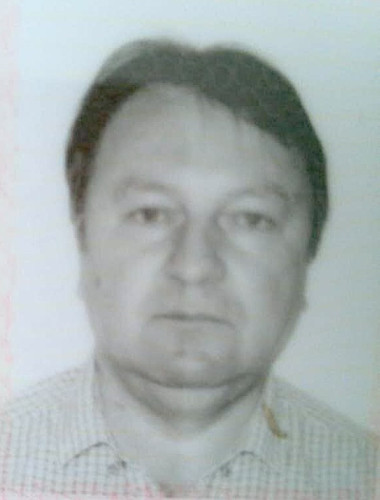
Igor Yakovenko, a 52-year-old political prisoner convicted over an application form for the Freedom of Russia Legion, has died in a remand prison in Krasnodar, the Political Prisoners Memorial project has learned.
According to the information available, Igor Yakovenko had been diagnosed with an inoperable brain tumour. A few days before his death, he underwent a medical examination and was returned to Remand Prison No. 1 ‘for palliative care’. He was also reportedly beaten in the same remand prison before he was sentenced.
Igor Yakovenko had been serving his sentence in a prison in Yelets when a new criminal case was opened against him, prompting his transfer to the remand prison in Krasnodar. He was allegedly found with a poem containing the words ‘kill Russian soldiers’. The poem contained numerous obscenities, which his family and friends say Igor did not use.
While in prison, he began to suffer from episodes of high blood pressure and severe headaches, and his eyesight deteriorated, the project was told.
In 2025, Igor Yakovenko was sentenced to five years’ imprisonment on charges of preparing to join the Freedom of Russia Legion, under Article 30, Part 1 and Article 205.5, Part 2 of the Russian Criminal Code. According to the prosecution, he corresponded with a representative of the Legion and sent him a completed application form.