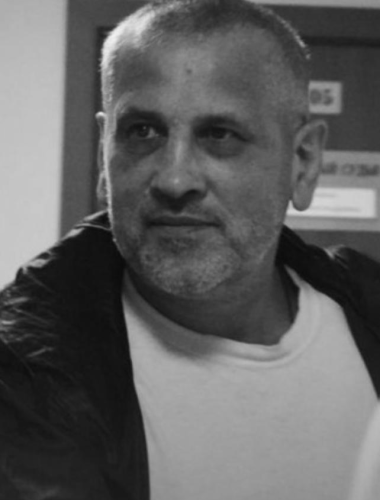
Political Prisoner Vladimir Osipov Dies in Ukhta Detention Centre
Vladimir Osipov, sentenced to six and a half years in a penal colony under the Russian Criminal Code for ‘war fakes’ (para. ‘d’, part 2, Art. 207.3), has died in the Ukhta pre-trial detention centre (SIZO), according to the human rights project Prison Lawyer.
‘Vladimir had previously been held in a detention facility in the Moscow region and, during the first hearing at the appellate court, repeatedly complained of health problems. These concerns had also been noted by the court in the first instance. He was not directed to receive proper medical treatment and was transferred to Ukhta SIZO, where his death was reported today,’ Prison Lawyer states.
Vladimir Osipov was 56 years old. He had lived in Dzerzhinsky, in the Moscow suburbs, before his arrest in November 2024. His sentence was handed down on 10 November 2025. The sentence had not yet taken effect when he was moved to a facility in another region.
According to SOTAvision, Vladimir Osipov suffered from hypertension and kidney stones. His health deteriorated due to stress and the lack of adequate medical care in the detention centre. At almost every hearing, an ambulance was summoned. He received medication, but requests for hospitalisation were often refused. Vladimir Osipov complained of severe headaches and ongoing ill-health. He asked for hearings to be postponed or to be allowed to deliver his final statement. The judge refused, at times removing him from the courtroom.
At the first-instance court, complaints about his high blood pressure were treated as a refusal to give his final statement, according to RusNews.