Two defendants in the ‘Ural Human Rights Defenders’ case have had their restrictive measures eased
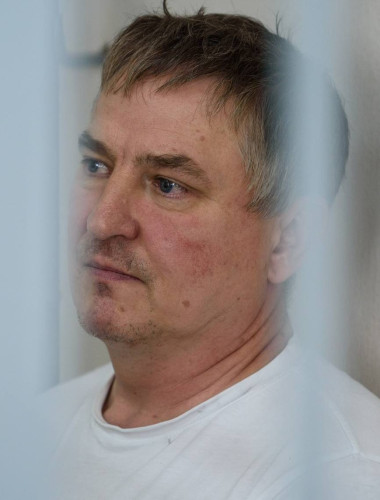
Legal expert Larisa Zakharova has been released from a pre-trial detention facility in Yekaterinburg under a ban on certain activities, Mediazona reports. The prosecution itself petitioned the court for her release, stating that the grounds for continued detention no longer applied. Larisa Zakharova has been prohibited from using the internet, making phone calls without the investigator’s prior approval — except to summon emergency medical services — visiting Federal Penitentiary Service (FSIN) facilities, or attending ‘events connected with the activities of non-profit organisations’.
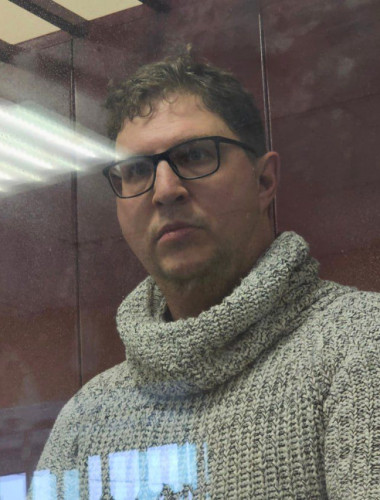
Prior to this, another defendant in the case — defence lawyer Roman Kachanov — was released from house arrest under similar restrictions, a development also uncovered by Mediazona. Roman Kachanov had previously been transferred from pre-trial detention to house arrest on 12 February.
Roman Kachanov and Larisa Zakharova are accused of organising the activities of an ‘undesirable organisation’ under Part 3 of Article 284.1 of the Russian Criminal Code. The charges are believed to stem from alleged cooperation with the Norwegian Helsinki Committee and the US-based National Endowment for Democracy (NED).
The third defendant in the case, Aleksei Sokolov, is charged with high treason under Article 275 of the Criminal Code. Before his arrest in December 2025, he told journalists: ‘The case concerns the fact that I spoke, including to foreign organisations, about human rights violations.’ He has also maintained that his colleagues were effectively taken hostage in an attempt to force him to cease his work.
Aleksei Sokolov was held in a punishment cell for more than two months. He said the humidity was so severe and the temperature so low that icicles formed inside the cell. One period of solitary confinement was reportedly justified on the grounds that he had spoken with an orderly about how to chip ice from a window that would not close properly. In March, the human rights defender was transferred to a shared cell, but the exposure to cold allegedly continued there as well. ‘The existing window frame is glazed with fragments of glass, and the gaps are sealed with adhesive tape,’ he wrote from custody. On 20 March, he was transferred to hospital.
Larisa Zakharova and Aleksei Sokolov both served on the Sverdlovsk Region Public Monitoring Commission (ONK). They repeatedly brought legal actions against the Federal Penitentiary Service and were known for openly confronting prison authorities in defence of prisoners’ rights. Alongside his prison rights work, Roman Kachanov also represented participants in opposition protests.