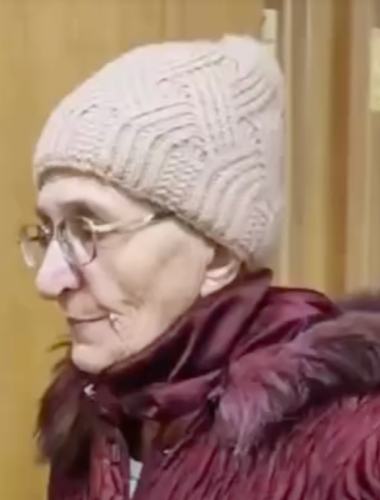
Ukrainian pensioner jailed for donating to the Ukrainian army may be developing dementia in custody
Halyna Bekhter, 68, who was sentenced to eleven years in prison for donating to the Ukrainian army, is experiencing a rapid deterioration in her mental and physical health at Simferopol Remand Prison No. 1, according to an account provided by an activist in contact with her cellmates.
Halyna Bekhter is believed to be developing dementia. She reportedly alternates between periods of silence and confusion, is unable to care for herself, and has been refusing food. Her cellmates are said to struggle to feed her and to have to hold her at the table to prevent her from wandering off. Her weight is described as critically low.
According to those familiar with her condition, the deterioration began sharply after her imprisonment. As recently as summer 2025, no signs of dementia had been observed.
On 5 March, Halyna Bekhter was sentenced to eleven years in a general-regime penal colony for treason under Article 275 of the Russian Criminal Code, in connection with a donation to the Ukrainian army. Before her arrest, she had been living in the village of Plodorodne in the Russian-occupied part of Zaporizhzhia region. The treason charge indicates that she was compelled to accept Russian citizenship. The prosecution has since appealed the verdict, seeking to increase the sentence to sixteen years.