Five years for advising the FSB on how to bomb the Crimean Bridge, 13 years for mother’s correspondence with her son, and 16 for assisting Ukrainian forces
Read our overview of these and other cases of political prisoners we have recognised this week
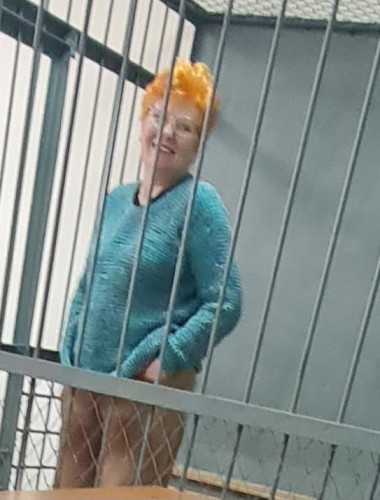
Maria Torbyakovskaya, a resident of Irkutsk, was detained in June 2024 and faced charges under two articles. She was charged with treason for allegedly making financial transfers to the Armed Forces of Ukraine, and with ‘justifying terrorism’ following a comment she posted regarding explosions involving fuel tankers on the Baikal–Amur Mainline. In July 2025, Maria Torbyakovskaya was sentenced to 17 years in a penal colony.
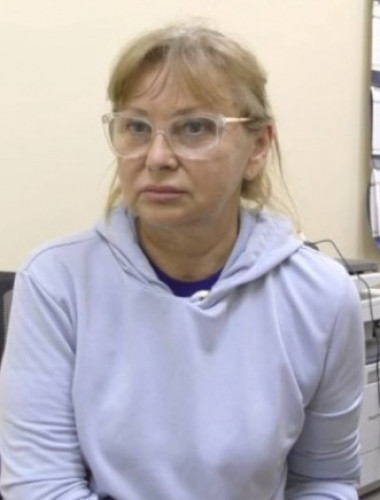
In the occupied town of Prymorsk, in Ukraine’s Zaporizhzhia region, Maryna Belousova remained to care for her elderly mother after the invasion. She was arrested in May 2025 on charges of treason, accused of transferring 790 roubles to the Armed Forces of Ukraine. By December 2025, she had been sentenced to 12 and a half years in a penal colony.
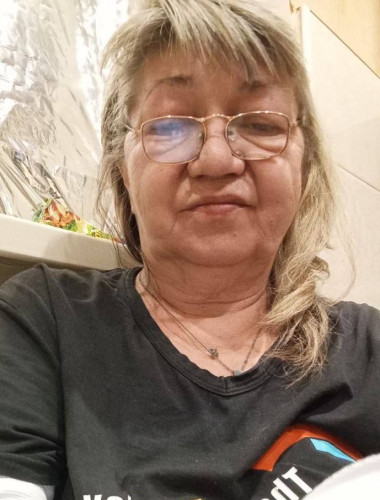
Iryna Sukhoviy, a pensioner from Melitopol, also remained under Russian occupation who suffers from serious health problems that have left her largely unable to walk. Contact with her was lost in May 2025; neighbours later confirmed she had been detained by Russian security forces. In December 2025, she too was sentenced to 12 and a half years for treason, having allegedly transferred 1,400 roubles to the Armed Forces of Ukraine.
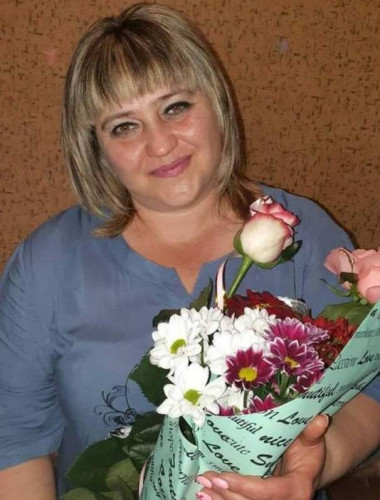
Olha Cherniavska, a shop manager from Tokmak, was abducted by occupying forces in May 2023. She was subjected to torture, and her family spent over a year in total ignorance of her fate. Charges finally emerged in August 2024: investigators claimed that in messages to her son — a serviceman in the Armed Forces of Ukraine — she had shared the coordinates of Russian units. In December 2024, she was sentenced to 13 years in a penal colony for espionage.
In Ukraine’s Luhansk Oblast, entrepreneur Yuliia Mosiazh of Novoaidar was accused of sheltering two Ukrainian soldiers in her home from March 2022, purportedly acting on instructions from Ukrainian intelligence. The prosecution alleged she provided the men with SIM cards and photographed clinic documents to help forge identity papers. When the soldiers were caught attempting to leave the occupied territory in December 2023, Yuliia Mosiazh was arrested. In 2025, she was sentenced to 16 years in a penal colony on charges of treason.
Andrii Lazarenko’s journey from Mariupol to a Mordovian village in 2022 was against his will. There, he was forced to take Russian citizenship and found work as a street cleaner. In October 2023, he was reportedly detained near a military recruitment office, which authorities claim he intended to burn down on the orders of the Azov unit. Initially held for 15 days under administrative arrest, he was later remanded on charges of attempted treason and attempted terrorism. On 9 December 2025, Andrii Lazarenko was sentenced to 18 years in a strict-regime colony. He maintains that he was seized from his home, that his Ukrainian passport was ‘lost’ by officials during his arrest, and that the entire case is a fabrication.
In Moscow, Nikolai Komarov posted an emotional message to his Telegram channel in May 2025, reacting to internet blackouts caused by drone strikes. His post included the words: ‘Ukraine, wipe them all out.’ Following a search of his home in October, he was given 15 days for ‘hooliganism’ before being moved to house arrest under a criminal charge of incitement to terrorism.
Andrei Andreev of Krasnodar was detained in September 2023. After being cycled through repeated administrative arrests for over a month, he was placed in pre-trial detention for incitement to terrorism. The case rested on comments regarding the Crimean Bridge: Andrei Andreev claimed the FSB was behind the blasts and gave advice on how such attacks could be carried out more effectively. Sentenced to three years in June 2024, his term was increased to five years on appeal.
Igor Yakovenko, from Krasnodar Krai, was alleged to have applied to join the ‘Freedom of Russia’ Legion in May 2025. He was detained two days later and, following administrative arrest, was remanded in custody. On 3 October 2025, he was sentenced to five years in a strict-regime penal colony for preparation to participate in a terrorist organisation.
Finally, five Ukrainian prisoners of war from the Azov unit have been charged with participation in a terrorist community. A Russian court sentenced Andrii Kohut to five and a half years and Dmytro Borysenko to six years. The sentences for Oleh Klymovskyi and Oleksandr Maltapar have not been disclosed, while the case against Olha Denysova remains before the court.
You can read more about these cases, including addresses to write to the political prisoners, on our website.
By staying informed, sharing updates, or making one-off or regular contributions, you can help those affected by political repression in Russia.