Seven Azov Battalion soldiers are political prisoners
Ukrainian prisoners of war have been given long prison sentences for having served in the National Guard
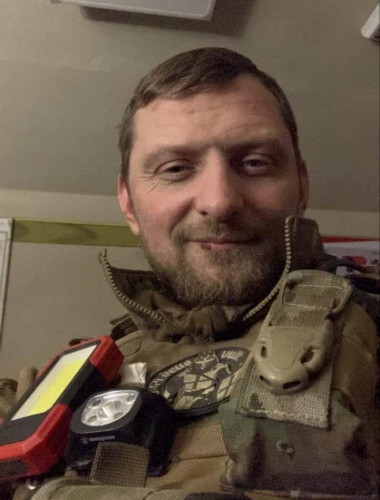
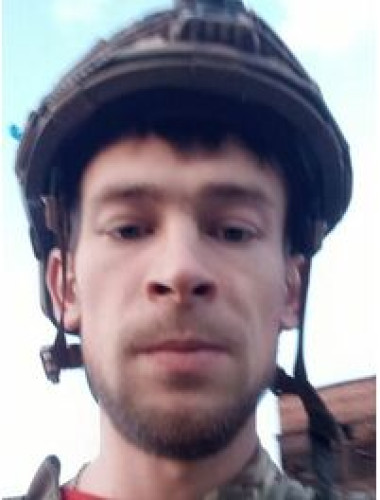
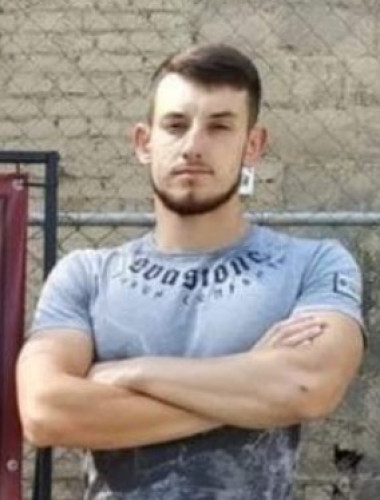
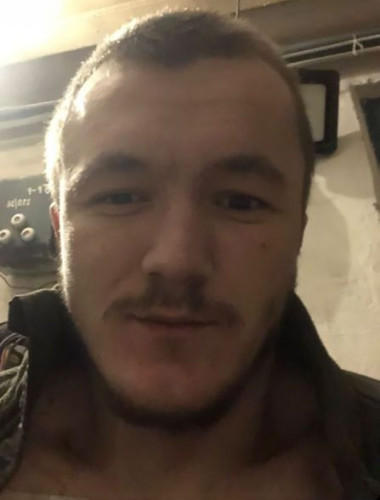
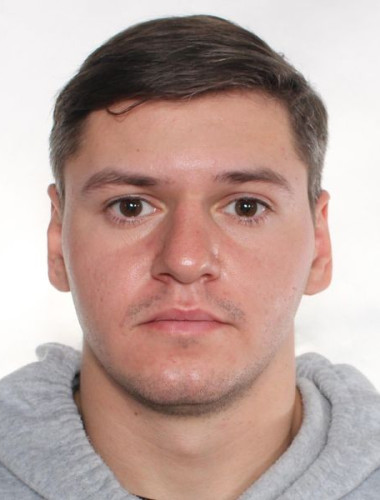
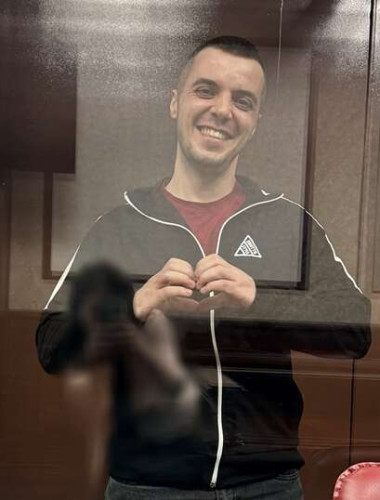
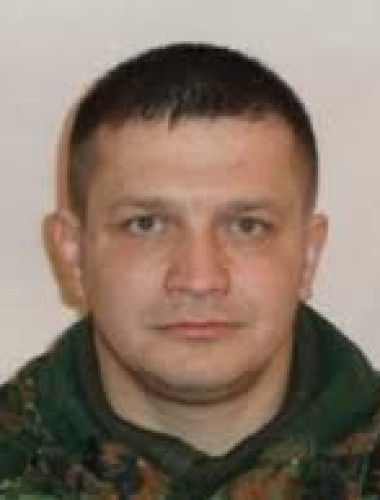
The ‘Political Prisoners. Memorial’ human rights project, in accordance with international standards, considers seven members of the Ukrainian military political prisoners. The seven prisoners of war were convicted on charges of participating in a terrorist group and undergoing training for the purpose of carrying out terrorist activities for having served in the Azov Battalion. The criminal prosecution and conviction of prisoners of war is in violation of international humanitarian law and their right to a fair trial. We demand an end to the criminal prosecution of Oleksandr Koliuda, Vitalii Kostiuchenko, Bohdan Kravchenko, Anatolii Roslavtsev, Dmytro Shanaiev, Mykola Shakhrai, and Dmytro Melnychuk, and compliance with international law in their regard.
What were the charges against the Ukrainian servicemen?
Oleksandr Koliuda, Vitalii Kostiuchenko, Bohdan Kravchenko, Anatolii Roslavtsev, Dmytro Shanaiev, Mykola Shakhrai, and Dmytro Melnychuk served in the Azov Special Forces Battalion and took part in armed clashes with the Russian army which invaded Ukraine. In 2022, all seven ended up in Russian captivity.
Koliuda was a teacher at a military school who participated in the defence of Azovstal until May 2022. At the same time, Shanaiev left the besieged plant where he said he performed ‘clerical work,’ while formally serving in combat positions. Kostiuchenko was also captured in Mariupol, and the same probably applies to the other soldiers as well.
The Ukrainian prisoners of war were charged with ‘participating in a terrorist group’ (Article 205.4, Part 2, of the Criminal Code of the Russian Federation). In addition, all of them except Dmytro Melnychuk were charged with ‘undergoing training to carry out terrorist activities’ (Article 205.3 CC RF).
On 8 November 2024, Melnychuk was sentenced to five and a half years in a general regime penal colony. From May to November 2025, five more prisoners of war were sentenced to terms in a strict regime penal colony: Koliuda and Kostiuchenko to 18 years, Kravchenko and Roslavtsev to 19 years, and Shanaiev to 20 years. Shakhrai’s trial is ongoing.
Why do we consider Oleksandr Koliuda, Vitalii Kostiuchenko, Bohdan Kravchenko, Anatolii Roslavtsev, Dmytro Shanaiev, Mykola Shakhrai, and Dmytro Melnychuk political prisoners?
All seven prisoners of war were prosecuted on a charge of ‘participation in a terrorist group’ (Article 205.4 CC RF) solely for having served in the Azov Special Forces Battalion, which at the time of their capture was part of the 12th Operational Brigade of the National Guard of Ukraine. The Russian courts unlawfully and without grounds designated the Azov Battalion a terrorist group. The Azov Battalion is part of the Ukrainian army, carrying out combat missions in accordance with the orders of the country’s military command. The provisions of anti-terrorism legislation do not apply to armed conflicts between states.
The law criminalising ‘training for terrorist activities’ is also inapplicable to Ukrainian prisoners of war. All Ukrainian military personnel are trained to carry out assigned combat tasks, not to engage in terrorism.
In international law, the Russian Federation’s military actions against Ukraine are illegal and criminal, while Ukraine’s actions in defending itself against aggression are legal and justified. Defending one’s country from armed invasion is not a crime.
The prosecution and conviction of Azov soldiers is in gross violation of the provisions of the Geneva Convention on the Treatment of Prisoners of War. Criminal prosecution of prisoners of war is possible where they have committed war crimes, but none of the seven soldiers was charged with such crimes.
Detailed description of the cases of the seven Azov Battalion soldiers and of our position is available on our website.
Recognition of an individual as a political prisoner does not imply the project, ‘Political Prisoners. Memorial,’ agrees with, or approves, their views, statements, or actions.
How can you help?
You can write to Oleksandr Koliuda, Bohdan Kravchenko, Dmytro Melnychuk, and Dmytro Shanaiev at the following addresses:
RU:
462353, Оренбургская область, г. Новотроицк, ул. Заводская, д. 26, ФКУ ИК-5 УФСИН России по Оренбургской области, Колюда Александр Валерьевич, 1983 г. р.
655017, Республика Хакасия, г. Абакан, кв.Молодёжный, 22, ФКУ ИК-33 УФСИН России по Республике Хакасия, Кравченко Богдан Юрьевич, 1999 г. р.
658209, Алтайский край, г. Рубцовск, ул. Тракторная, д. 23, ФКУ ИК-5 УФСИН России по Алтайскому краю, Мельничук Дмитрий Владимирович , 2000 г.р.
660111, г. Красноярск, ул. Кразовская, д. 12, ФКУ ИК-17 ГУФСИН России по Красноярскому краю, Шанаев Дмитрий Вадимович, 1990 г. р.
EN:
Oleksandr Valeriyovych Koliuda (born 1983), Penal Colony No. 5, Federal Penitentiary Service of Russia for Orenburg Oblast, 26 Zavodskaya Street, Novotroitsk, Orenburg Oblast, 462353, Russia.
Bohdan Yuriyovych Kravchenko (born 1999), Penal Colony No. 33, Federal Penitentiary Service of Russia for the Republic of Khakassia, 22 Molodyozhny, Abakan, Republic of Khakassia, 655017, Russia.
Dmytro Volodymyrovych Melnychuk (born 2000), Penal Colony No. 5, Federal Penitentiary Service of Russia for Altai Krai, 23 Traktornaya Street, Rubtsovsk, Altai Krai, 658209, Russia.
Dmytro Vadymovych Shanaiev (born 1990), Penal Colony No. 17, Federal Penitentiary Service of Russia for Krasnoyarsk Krai, 12 Krazovskaya, Krasnoyarsk, 660111, Russia.
You can also send emails via F-Pismo (for payment with Russian bank cards), ZT (for payment with all bank cards), and Memorial-France (free of charge).
Please note that letters in languages other than Russian are highly unlikely to reach the intended recipient.
If you have information about the remand prisons or penal colonies in which Mykola Shakhrai, Vitalii Kostiuchenko, and Anatolii Roslavtsev are held, please let us by email at [email protected].
You can donate to help all political prisoners in Russia.