Thirteen more people convicted in the Baymak case are political prisoners
Participants in a public rally in support of opposition figure Fail Alsynov have been sentenced to terms of imprisonment
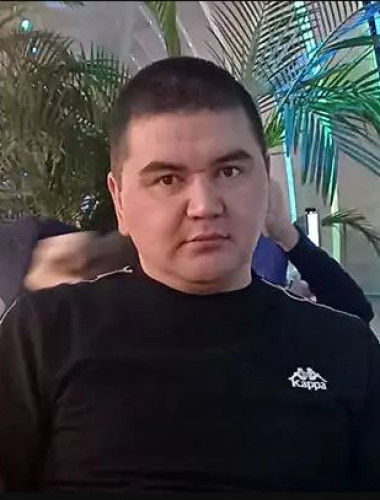
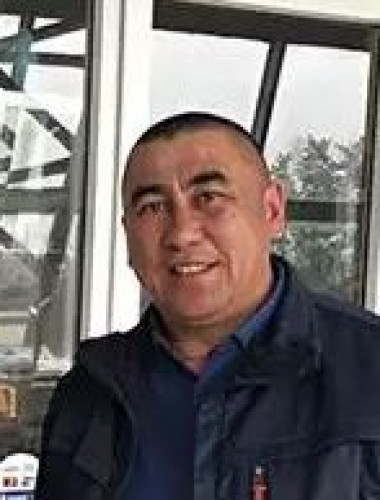
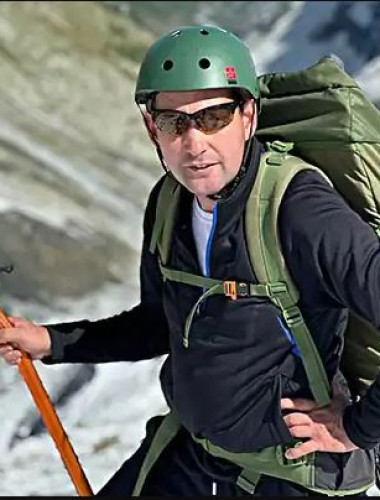
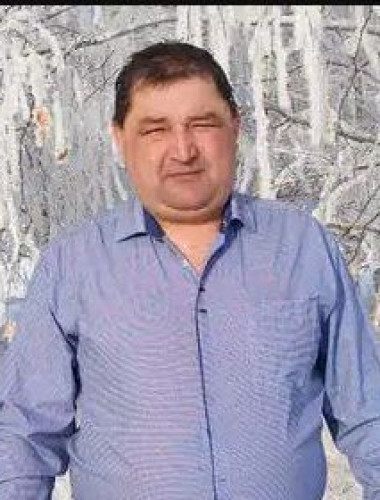
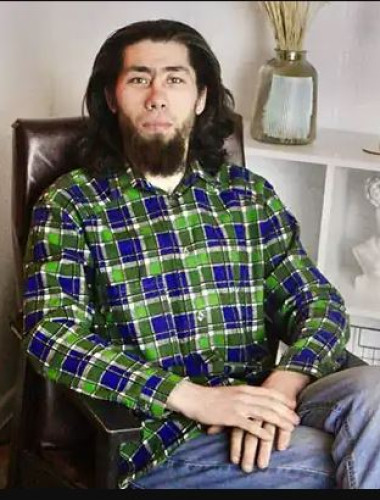
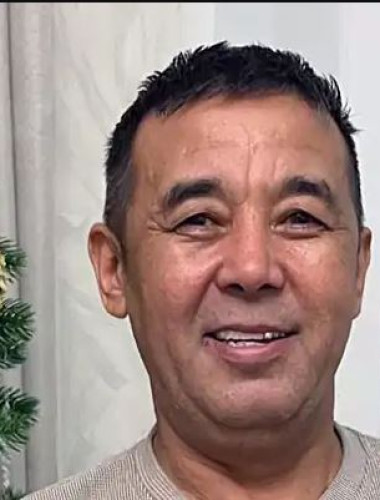
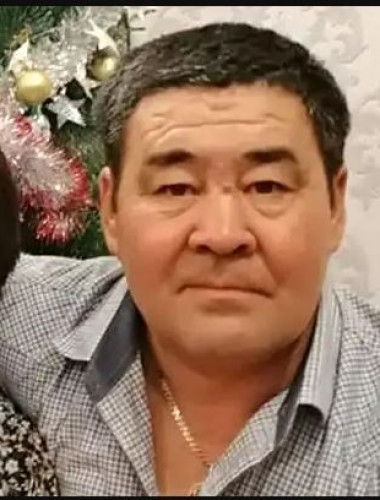
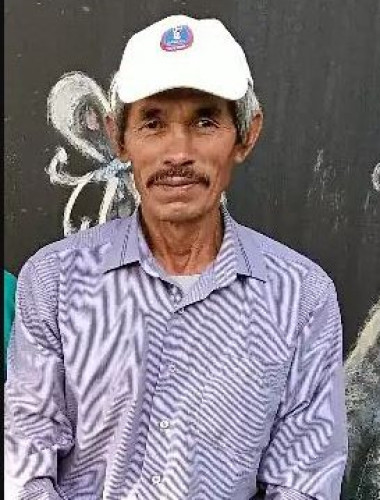
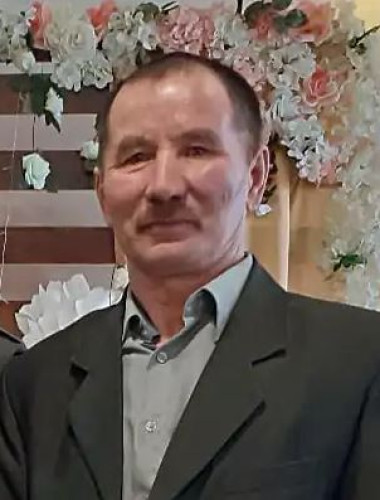
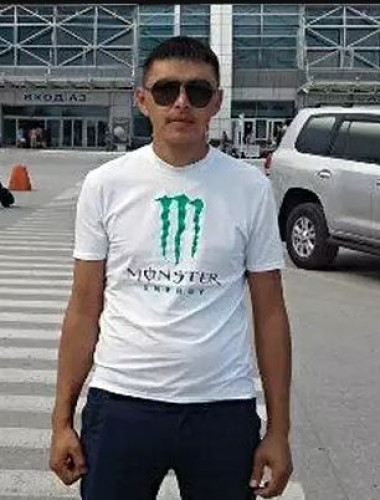
The ‘Political Prisoners. Memorial’ human rights project, in accordance with international standards, considers Insaf Islamov, Irshat Ulyabaev, Yunir Khisametdinov, Sagit Yulmukhametov, Danis Akhmetov, Ilyas Baychurin, Dim Bulyakbaev, Rayat Davletbaev, Kabir Suyargulov, Gazizyan Khaybullin, Umutbai Davletberdin, Yunir Islamgulov, and Idel Karimov political prisoners. The 13 men were convicted on criminal charges of participating in riots and using violence against representatives of the authorities for taking part in a protest in defence of Bashkir opposition figure Fail Alsynov. Their criminal prosecutions and convictions violated their rights to peaceful assembly, expression and fair trial. We demand that the 13 men be released, that the charges of participating in riots be dropped, and that the charges of using violence against representatives of the authorities be reviewed in a fair trial.
In the case of Aysuvak Yavgastin, there is evidence of a politically motivated unlawful prosecution. We demand that his criminal case be reviewed in a fair court in accordance with international standards.
There is evidence of political motivation and illegality in the pre-trial detention of other defendants who have not yet been convicted. We continue to monitor the progress of their criminal cases and keep the possibility of recognising them as political prisoners under review.
What were the charges in the Baymak case?
On 17 January 2024, thousands of residents of Bashkortostan gathered outside the courthouse in Baymak, where the trial of Fail Alsynov, leader of the Bashkir national movement, was taking place. He was sentenced to four years in a penal colony for inciting hatred in a speech at an environmental rally. Alsynov’s supporters were outraged by the verdict. OMON riot police attempted to disperse the protesters, who threw snowballs at them. The police responded with tear gas, batons and flashbang grenades.
The next day, mass arrests began in Bashkortostan. About 500 people were charged with administrative-law offences. Criminal cases were opened against at least 82 people, including three women. Almost all the accused were remanded in custody, most of them fathers of large families and the sole breadwinners in their households.
Of those facing criminal prosecution, most were charged with using violence not dangerous to life or health against police officers (Article 318, Part 1, of the Criminal Code of the Russian Federation) and participating in riots (Article 212, Part 2, CC RF). Ten people were charged with organising riots (Article 212, Part 1, CC RF). We have previously recognised 46 persons convicted in the Baymak case as political prisoners, and found political motives in the prosecution of one other person.
The trials in the case are continuing and, allegedly for security reasons, are being held in different regions of Russia, often in camera. On 19 September 2025, a court in Izhevsk sentenced Insaf Islamov, Irshat Ulyabaev, Yunir Khisametdinov and Sagit Yulmukhametov each to four years and six months in a general regime penal colony on charges of using violence not dangerous to life or health against police officers and participating in riots. Aysuvak Yavgastin was sentenced to five years and six months in a penal colony on charges of using dangerous violence against police officers and participating in riots.
On 17 October 2025, another court in Izhevsk sentenced Danis Akhmetov, Ilyas Baychurin, Dim Bulyakbaev and Rayat Davletbaev to terms of four years and six months in a penal colony on charges of using violence not dangerous to life or health against police officers and participating in riots.
On 21 October 2025, on the same two charges a court in Tolyatti sentenced Kabir Suyargulov and Gazizyan Khaybullin to terms of three years and six months in a penal colony, Umutbai Davletberdin and Yunir Islamgulov to three years and seven months, and Idel Karimov to three years and eight months.
Why do we consider the thirteen people convicted political prisoners?
There were no riots in Baymak. There was a peaceful gathering in support of Fail Alsynov, whose unlawful prosecution outraged many residents of Bashkortostan.
The participants in the rally did not engage in any actions that could be classified as riots. The law enforcement forces unjustifiably used force against people awaiting the verdict and chanting slogans.
The wording of the law criminalising riots is very vague, which enables its arbitrary application by the authorities against dissidents. The use of violence against police officers at the rally was provoked by the actions of the security forces themselves in attempting to disperse the protesters. At the same time, the prosecution’s claims that police officers in full protective gear experienced physical pain from snowballs thrown at them were absurd.
The scale of the criminal case is unprecedented even for Putin’s Russia, and the severity of the sentences handed down is disproportionate to the public danger of the acts committed. Many of the defendants denied that they used violence against the police. Some denied they were even outside the courthouse that day. The evidence used to convict consisted of videos, often of a very poor quality, and, in the absence of videos, the testimony of police officers and provocateurs in the crowd. Classified witnesses also testified in court for the prosecution, but the reliability of their testimony cannot be verified.
The security forces used violence in making arrests and conducting interrogations. Dim Davletkildin was sent from the remand prison to hospital because of spinal injuries he received. Rifat Dautov died in a police van immediately after his arrest; an examination revealed numerous injuries to his body. Miniyar Baiguskarov committed suicide because as a result of his treatment by the security forces.
A detailed description of the Baymak case and of our position is available on our website.
How can you help?
Addresses to write to these political prisoners can be found on their respective pages on our website.
You can follow news about the case in the Telegram support group for the defendants in the Baymak case.
Please note that letters in languages other than Russian are highly unlikely to reach the intended recipient.
You can donate to help all political prisoners in Russia.