A year for spitting in a box and 13 years for graffiti
Read our overview of these and other cases of political prisoners we have recognised last week
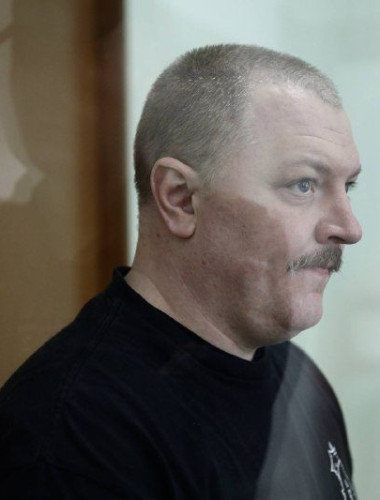
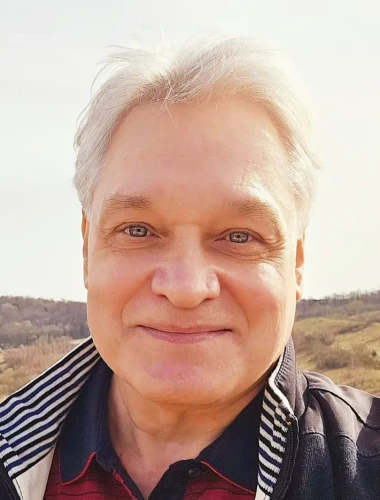
A Crimean resident, Petro Skrypnyk, spat into a collection box collecting donations for Russian servicemen. The box bore a Russian flag and a St George ribbon, and he was charged with desecrating a symbol of military glory and defiling the flag. In September 2025, a court sentenced Skripnik to one year in a settlement penal colony.
Viktor Gorkovenko was mobilised into the Russian army from Yakutia. According to the prosecution, he abandoned his unit in Ulan-Ude and travelled to Omsk, where he allegedly joined the Freedom of Russia Legion. Acting on its instructions, he allegedly spray-painted slogans ‘discrediting the authorities’ on buildings and set fire to a relay cabinet. In October 2024, Gorkovenko was detained and charged with unauthorised abandonment of his post, state treason, terrorism, participation in a terrorist organisation, undergoing terrorist training, and vandalism. He faces up to life imprisonment.
Nikita Voitsekhovsky, who had come from Belarus to study at the Moscow Financial and Legal Institute, was arrested in May 2025. Dmitry Ionov, who lived in Moscow Oblast, worked in a sports supporters’ clothing shop, and was raising a child with a disability, was arrested in August. Both were charged with graffiti they allegedly painted on the instructions of the Russian Volunteer Corps and then photographed for publication on a Telegram channel. On charges of participation in a terrorist organisation and public advocacy of terrorism, Voitsykhovsky was sentenced to ten years, though it may subsequently have been reduced on appeal. Ionov was sentenced to thirteen years. At trial, he described being tortured.
A prominent lawyer from Kaliningrad, Vladimir Sorokin, and his fellow Kaliningrad resident Roman Nikolaev were sentenced to one and three years’ imprisonment respectively for donating 500 roubles to the Anti-Corruption Foundation. Vadim Yemelyanov from Voronezh was sentenced to one year for making eight transfers totalling 3,800 roubles.
Roman Alfimtsev from Yoshkar-Ola was sentenced in December 2023 to five years in a penal colony on charges of justifying terrorism. The charges were based on comments in which he described Shamil Basayev as a ‘freedom fighter’ — which the prosecution characterised as justification of terrorism.
Vitalii Trofymchuk, an orphan from Ukraine’s Zaporizhzhia Oblast who has had a disability since childhood, was arrested in August 2025 on charges of incitement to terrorism and extremism. He was sentenced to five and a half years in a penal colony for strongly worded comments about Russia and Russians.
Ivan Pilov from St Petersburg was placed under house arrest in September 2025, also on charges of incitement to extremism and justifying terrorism. The case was based on posts published online between 2021 and 2023 in which he criticised protests for being insufficiently radical and expressed support for Ukrainian military operations and the Russian Volunteer Corps. Pilov was sentenced to six years in a penal colony.
You can read more about these cases, including addresses to write to the political prisoners, on our website.
By staying informed, sharing updates, or making one-off or regular contributions, you can help those affected by political repression in Russia.