Forced labour for failing to report an acquaintance and six years in a penal colony for a single comment
Read our overview of these and other cases of political prisoners we have recognised last week
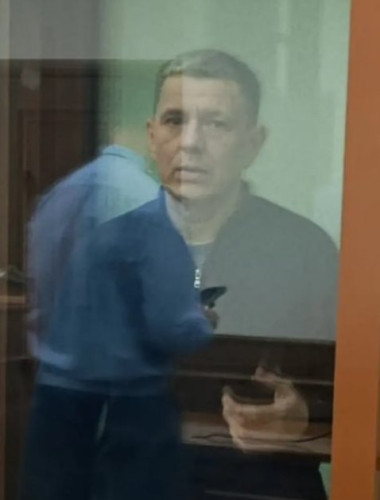
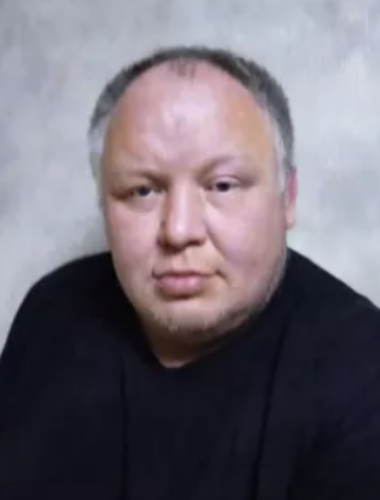
Boris Budalov, a computer repair technician from Yekaterinburg, was detained in October 2023 and, after two ‘carousel’ detentions, transferred to a remand prison on charges of public justification of terrorism. He was sentenced to six years in a penal colony over a single Telegram comment under a news post about a freight train derailment in Bryansk Oblast.
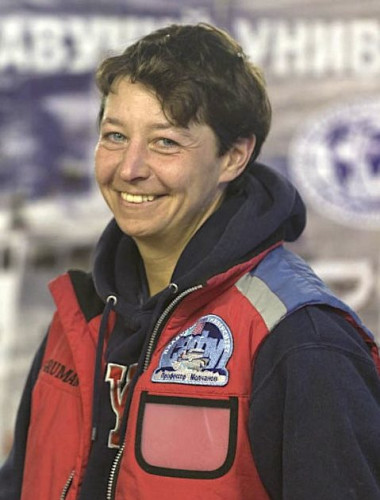
Yelena Chebotaryova, a resident of Ukhta, worked as a cleaner at a local division of Gazprom and was caring for her sick daughter. She was sentenced to three years in a penal colony in September 2025 on a charge of public justification of terrorism over several comments about the Freedom of Russia Legion and the Russian Volunteer Corps (RDK) on the social network Odnoklassniki.
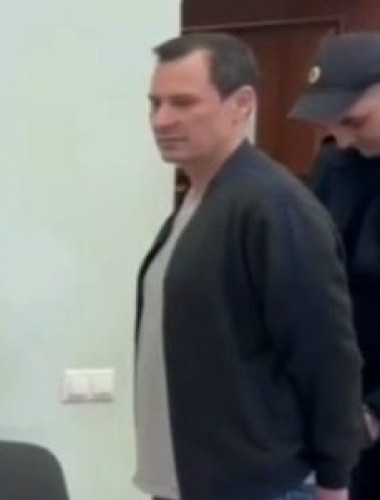
Konstantin Stepanov, a resident of Moscow Oblast, worked as an attendant on special railway carriages at the Bank of Russia. From September 2024, he was held for almost three months in a series of ‘carousel’ detentions before being transferred to a remand prison. He was accused of joining the Freedom of Russia Legion and involving an acquaintance in the activities of the RDK. Konstantin Stepanov was sentenced on 2 June 2026 to 14 years in a high-security penal colony on charges of participating in a terrorist organisation and involving others in its activities.
Vyacheslav Mikhalyov from Khabarovsk Krai was a docker at the port of Vanino. He was arrested in May 2023 over allegations that he had joined the Freedom of Russia Legion through an exchange of messages and, at its request, was preparing to ‘disable’ a number of ‘critically important transport facilities’. The court sentenced Vyacheslav Mikhalyov to eight years in a high-security penal colony on charges of participation in the activities of a terrorist organisation and confidential cooperation with a foreign entity.
Pavel Paderin, a mobilised resident of Yekaterinburg, was charged with confidential cooperation with Ukrainian security services and sentenced to three years in a penal colony and a fine in October 2026. Earlier, in 2023, he had filed a legal claim against the conscription commission, arguing that he should not have been mobilised for health reasons. Shortly after the court rejected his claim, he was found guilty of failing to comply with an order during martial law.
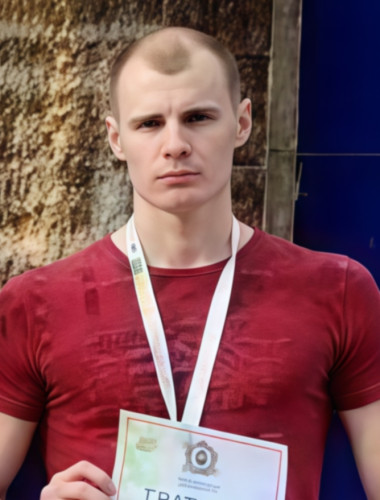
Ilya Petrunin, a 21-year-old resident of Saratov, was sentenced to six months of forced labour in May 2026 for failing to report an acquaintance, Yevgeny Savostin, who was accused of participating in the activities of the RDK.
Pyotr Mylnikov, a businessman from Zabaykalsky Krai and the owner of a village shop, was detained in November 2024 and transferred to a remand prison, accused of involvement in Vyacheslav Maltsev’s Artpodgotovka movement. Pyotr Mylnikov was charged with public calls for terrorism and extremist activity, as well as participation in the activities of extremist and terrorist organisations. The charges stemmed from two inscriptions on the wall of his shop dating from 2015, videos he reposted, and audio conferences he joined in a Telegram chat. A military court sentenced him to 15 years in a high-security penal colony in late December 2025, and the sentence was reduced by two months on appeal.
Sofya Rozenfeld, an ornithologist from Moscow, was sentenced to three and a half years in October 2026 on charges of financing extremism. She was charged over two donations to the Anti-Corruption Foundation (FBK) made after the organisation was designated ‘extremist’.
Anastasiya Kolokoltseva, a resident of Omsk, crossed the border into Ukraine in 2023, where she planned to fight with the RDK. Russian border guards detained her more than a year later, in September 2024, as she tried to cross back. She was sentenced to 14 years in a penal colony on a charge of attempted high treason by defecting to the enemy.
Ukrainian prisoners of war were charged with undergoing terrorism training and participating in a terrorist community over their service with Azov. Serhii Dryha, Serhii Neznamov, and Andrii Rozumiienko were sentenced to 20 years in a high-security penal colony. We do not know the sentence handed to Artem Hryhorenko.
You can read more about these cases, including addresses to write to the political prisoners, on our website.
By staying informed, sharing updates, or making one-off or regular contributions, you can help those affected by political repression in Russia.