Prison sentences for comments about Ildar Dadin and online banners in support of Ukraine
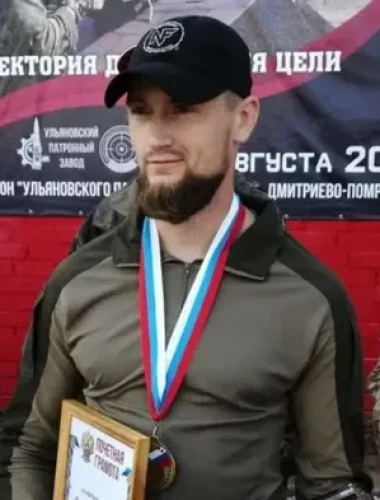
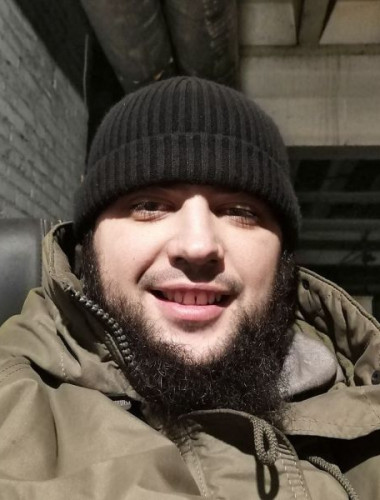
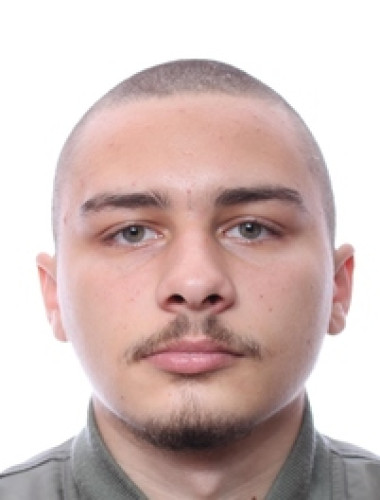
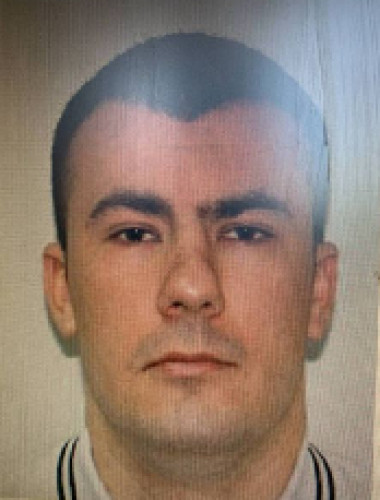
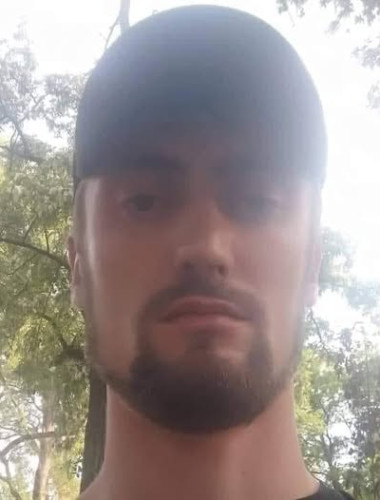
Dmitry Kicha, a former captain and reconnaissance officer in the Russian army, resigned his commission in 2015 to work in a factory in protest against the war in Ukraine. On 23 February 2022, the eve of the full-scale invasion, he travelled to Ukraine and subsequently joined the Azov unit. Captured in May, he was charged with treason for allegedly passing information regarding former comrades and Russian military units. Following a conviction, a further case was opened for participation in a terrorist community. He was ultimately sentenced to 21 years in a strict-regime colony, stripped of his military rank and his Suvorov medal.
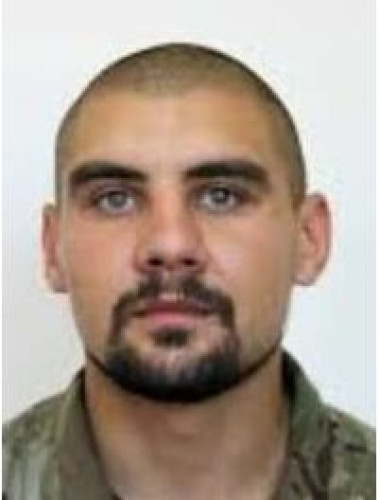
Nine Ukrainian servicemen captured by Russian forces were similarly prosecuted for their service in Azov. Charged with participation in a terrorist community and undergoing terrorist training, they received heavy custodial sentences. Vladyslav Shpak was sentenced to 21 years; Roman Ataman to 20 years; Andrii Sopuliak to 19 years; while Volodymyr Baranovskyi, Oleksandr Shalin, Ihor Muliar, Dmytro Prokopets, and Dmytro Remez each received 18 years. Anatolii Bezkorovainyi was sentenced to 17 years.
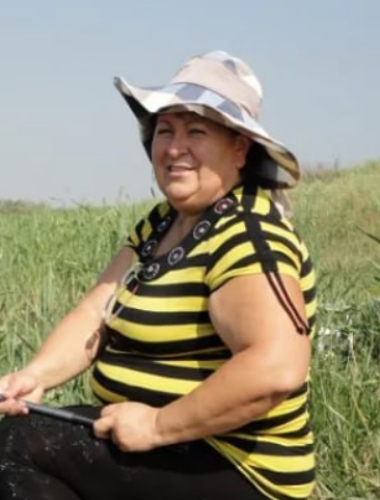
Larysa Bieliaieva, a pensioner from Liubymivka in the occupied part of Zaporizhzhia Oblast of Ukraine, was sentenced in April 2026 to 14 years in a penal colony on treason charges. She was accused of purchasing Ukrainian war bonds to the value of 270,080 roubles.
In March 2024, following a Ukrainian strike on an oil refinery in Kstovo, Nizhny Novgorod Oblast, Aleksei Gryzunov responded to the news with the phrase ‘the boomerang has returned’. Six months later, he was charged with ‘justifying terrorism’ and sentenced in September 2025 to two years in a penal colony.
Innokentiy Sokolov, an IT specialist from Irkutsk Oblast, embedded electronic banners supporting Ukraine within his software and on websites he administered. These directed users to a page calling for donations to the Armed Forces of Ukraine and a boycott of Russian businesses. In October 2024, he was sentenced to three years in a penal colony for calling for activities directed against the security of the Russian Federation.
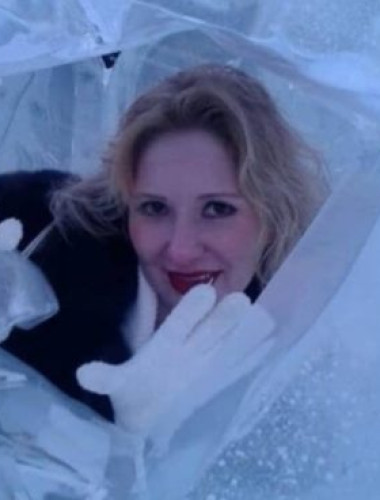
Elena Bulgakova, from Vladivostok, posted a comment on Telegram in November 2024 following the death of Ildar Dadin, a Russian activist who had joined the ‘Freedom of Russia’ Legion. Beneath the news, she wrote: ‘Eternal bright memory to Hero Ildar.’ Six months later, she was charged with ‘justifying terrorism’ and placed in pre-trial detention in July 2025. In September, a second case was initiated for ‘financing terrorism’, based on paid reactions in the Legion’s channel.
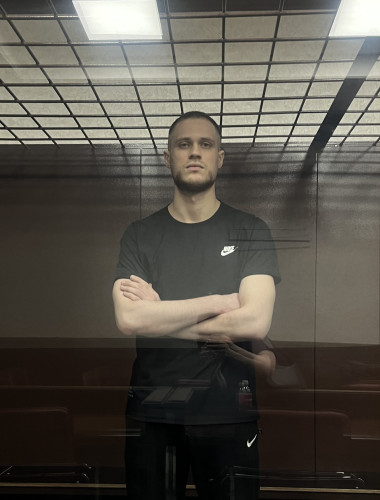
Bogdan Kreinert, from Gelendzhik in Krasnodar Krai, submitted a questionnaire to a Legion bot in 2024. Acting on instructions from ‘handlers’, he produced anti-war graffiti and later planned to set fire to a railway relay cabinet. Detained in May 2024 and initially placed under administrative arrest, he was later remanded in custody and sentenced to seven years in a penal colony for participation in a terrorist organisation and preparation for sabotage.
Sergei Dudinov was detained in Barnaul in April 2025. Investigators alleged he planned to travel via Kazakhstan to Ukraine to join the Legion. Charged with preparation for treason and participation in a terrorist organisation, he was sentenced to nine years’ imprisonment.
Elena Karaniku, from Khabarovsk, corresponded with an individual posing as a Legion representative. Under instruction, she sent publicly available information regarding a deceased serviceman and, according to the investigation, tore down recruitment posters. Arrested in January 2025, she was sentenced to 17 years’ imprisonment for treason and participation in a terrorist organisation.
Ivan Shadrin, from Arkhangelsk, was detained at Moscow’s Vnukovo airport in March 2025. After 15 days of administrative arrest, he was remanded in custody on charges relating to an attempt to join the Russian Volunteer Corps. Ivan Shadrin stated his intention was motivated by sympathy for Ukrainian civilians. He faces up to 15 years in a penal colony.
You can read more about these cases, including addresses to write to the political prisoners, in our full report.
By staying informed, sharing updates, or making one-off or regular contributions, you can help those affected by political repression in Russia.