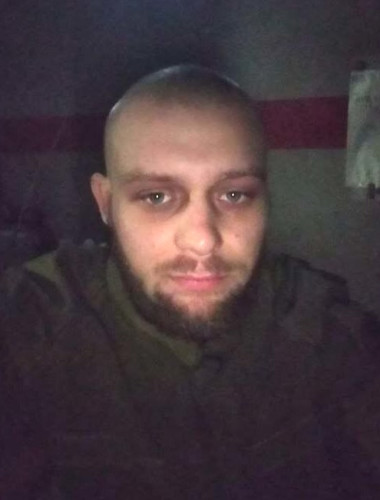
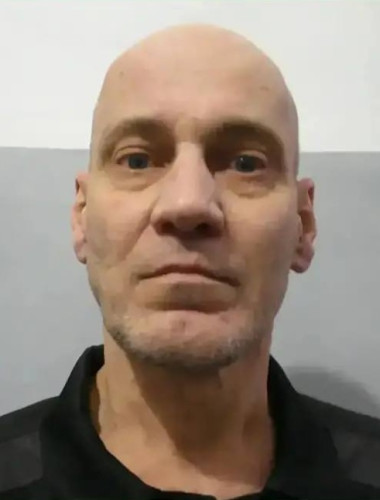
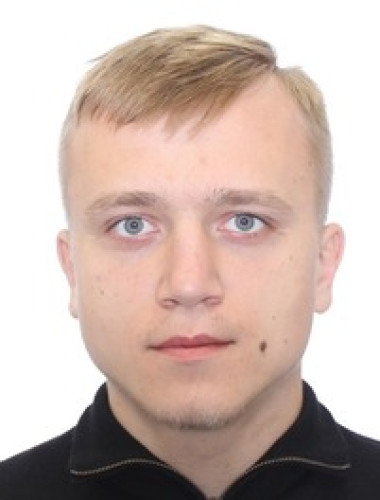
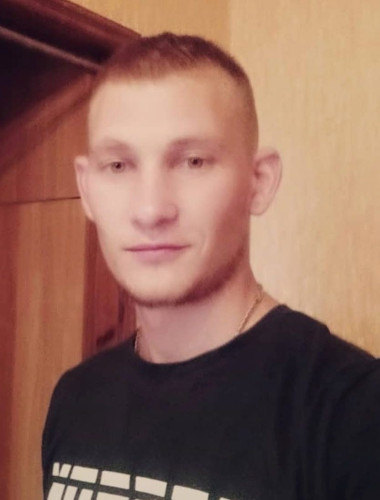
Five and a half years for comments approving of strikes on military targets, 18 years for ‘Let’s stop the war’ leaflets and photographs of police buildings
Read our overview of these and other cases of political prisoners we have recognised last week.
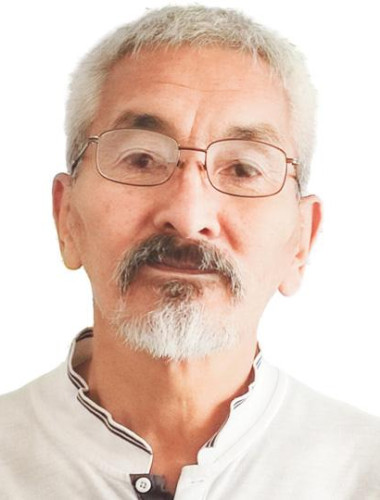
Dmitry Savin, a father of two from Nizhny Novgorod Oblast, worked as a diesel locomotive driver and an electrician. In February 2024, he put up three leaflets reading ‘Let’s stop the war together, Atesh’. Photographs of the leaflets later appeared on the Telegram channel of Atesh, a Ukrainian and Crimean Tatar partisan movement. Savin was arrested and also accused of photographing police buildings. He was sentenced to 18 years in a high-security penal colony on charges of treason and public calls for terrorism.
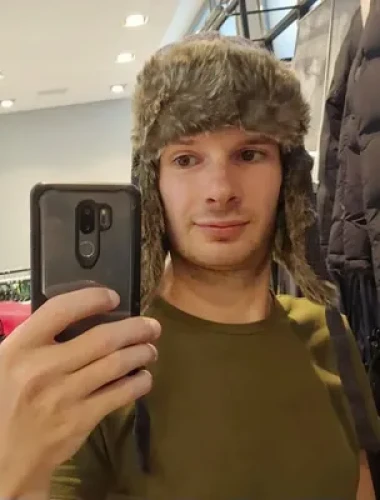
Aleksey Ivanov, an estate agency director from Udmurtia and the father of a young child, was remanded in custody in January 2025. He was charged with public justification of terrorism and public calls for terrorism over two comments supporting Ukraine that he had posted on Telegram. Ivanov was sentenced to five years and three months in a penal colony. His sentence was reduced by one month on appeal.
Aleksandr Yudin, from Chita, was arrested in December 2025 over three approving comments he had left on the Supernova+ Telegram channel in response to posts about Ukrainian drone strikes on military facilities and industrial plants. He was sentenced to five and a half years in a penal colony on charges of public justification of terrorism, despite his serious illnesses and the fact that he was caring for his mother, who has a disability.
Boris Todaev, a resident of Elista and a veteran of the democratic movement, was one of the founders of the Popular Front of Kalmykia in 1989. He publishes Narn, an unregistered newspaper, in which he ran an article in 2025 about the deportation of the Kalmyk people. In the article, he compared the Soviet soldiers who carried out the deportation to the Nazis. The authorities opened a criminal case against him over this comparison, accusing him of insulting the memory of the defenders of the Fatherland. Todaev was placed under house arrest in September 2026.
Media producer Yelena Matushevskaya had been living in Serbia for the past few years but travelled to Russia on business in October 2026. She was detained and remanded in custody on charges of financing extremist activity over seven donations of 500 roubles each to Alexei Navalny’s Anti-Corruption Foundation (FBK).
Valery Malyshko, from Ulan-Ude, had his home searched in October 2025, a few days after his 18th birthday. After a period of administrative detention for disobeying an FSB officer, he became the subject of a criminal case on charges of treason and financing terrorism. He was accused of transferring cryptocurrency to Ukraine’s Azov unit and to a person on Russia’s ‘list of extremists and terrorists’. Malyshko was sentenced to nine years’ imprisonment.
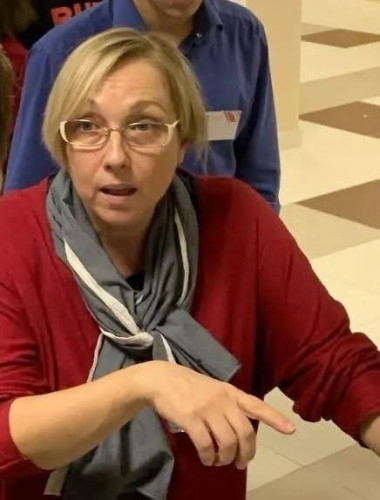
In November 2024, while in Cherkessk, Guzel Kasimova, a journalist from Kazan, and Stalina Erlenbakh, an activist from Nevinnomyssk, put up leaflets warning of possible attacks on the city by the Armed Forces of Ukraine and calling on residents to organise themselves. Soon afterwards, they were remanded in custody on charges of knowingly making a false report of a terrorist act. Kasimova was sentenced to six years in a penal colony and Erlenbakh to four. On appeal, both sentences were reduced to two years and 11 months.
Frederick Norman du Bois (formerly Valery Kuzyomka), a resident of Sochi, was arrested in June 2025. He was charged with participating in the activities of Crimson Wedge – Independent Kuban, which is designated a terrorist organisation in Russia, and sentenced to 11 years in a high-security penal colony.
Four Jehovah’s Witnesses from Udmurtia were remanded in custody in October 2026. Yury Basilaya and Valery Agafonov were charged with organising the activities of an extremist organisation, while Svetlana Agafonova, Valery’s wife, and Evelina Saltykova were charged with participating in its activities.
Ukrainian servicemen taken prisoner by Russian forces were charged with terrorism offences over their service with Azov. Oleksandr Dubliazhenko, Yurii Pleshyvtsev and Ihor Zvonar were sentenced to six years in a general-regime penal colony, while Mykhailo Soroka received a sentence of five and a half years. We do not know what sentences were handed down to Maksym Veklynets, Mark Mykhailov, Oleksandr Yutovets, Roman Tutov, Mykhailo Pushko, Artem Liashuk, Volodymyr Kuznietsov and Oleksandr Metlytskyi.
You can read more about these cases, including addresses to write to the political prisoners, on our website.
By staying informed, sharing updates, or making one-off or regular contributions, you can help those affected by political repression in Russia.