More than five years over a single comment about Putin and State Duma deputies and 15 years for a Russian man who fought on Ukraine’s side
Read our overview of these and other cases of political prisoners we have recognised last week
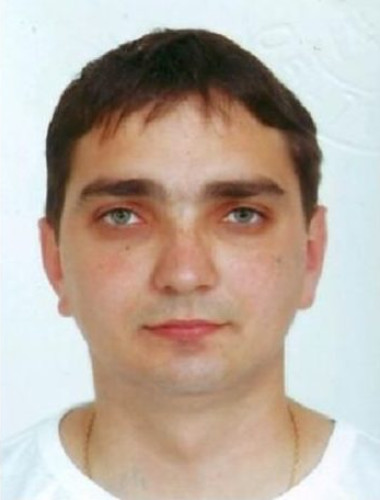
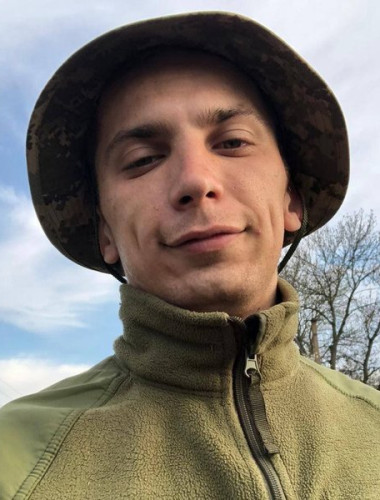
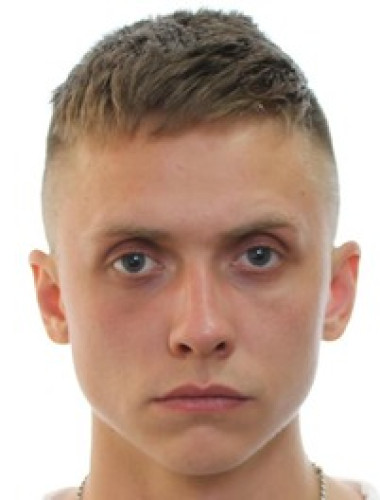
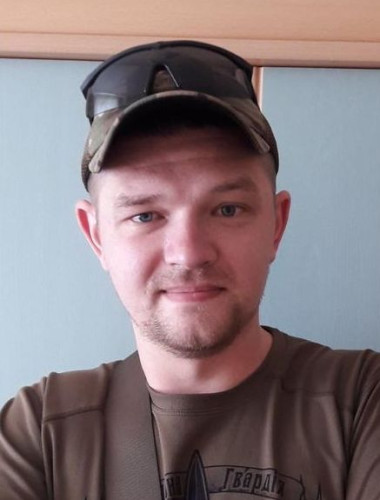
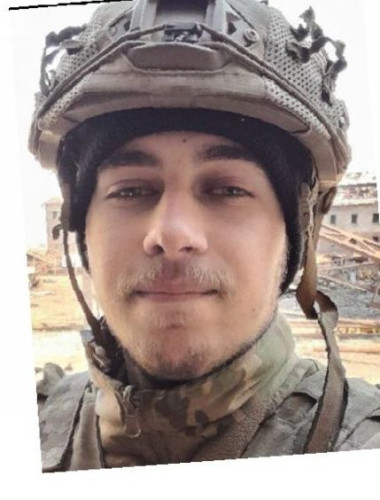
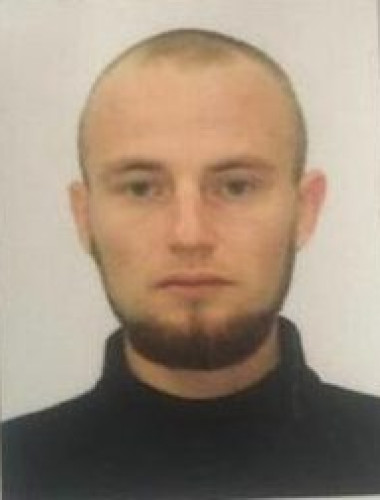
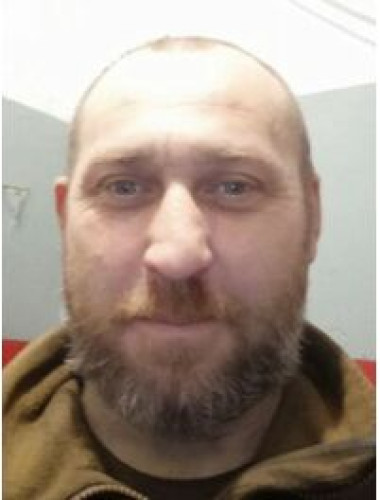
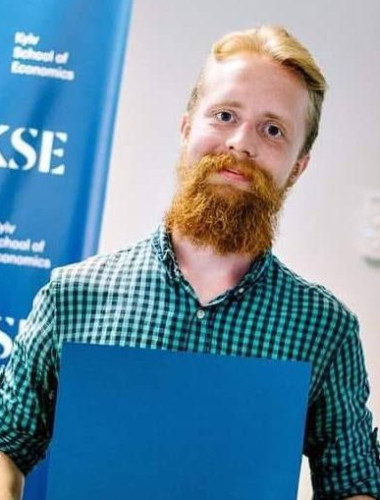
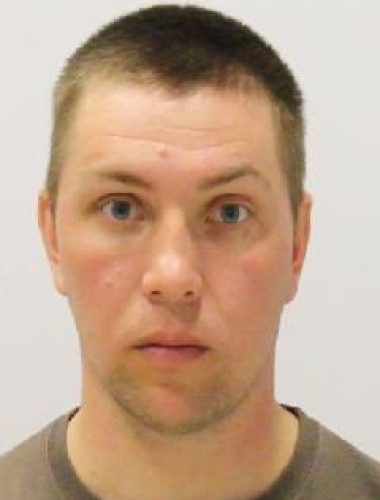
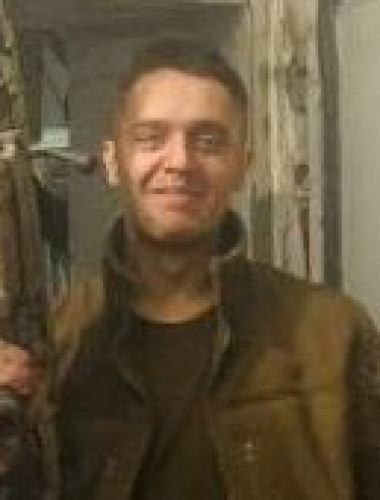
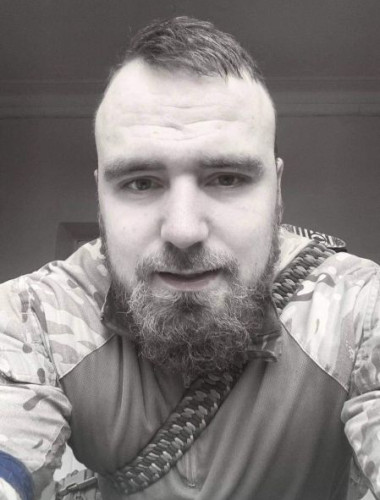
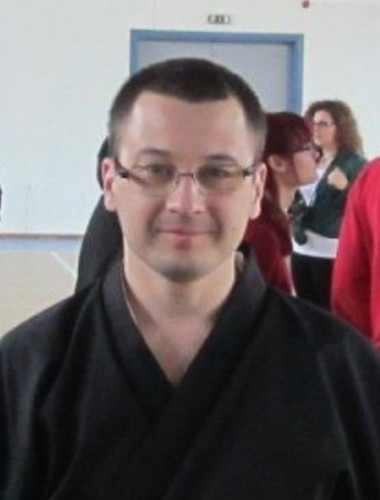
Andrei Malakei is a former employee of the Russian Foreign Ministry. He worked in Bulgaria and then, until 2018, in Ukraine, at the consulate in Odesa. Andrei Malakei most recently lived in Moscow Oblast. He was detained in December 2024 while trying to fly to Yerevan. After a series of ‘carousel’ administrative detentions, he was remanded in custody on charges of terrorism and high treason. According to investigators, he joined the Russian Volunteer Corps (RDK) and was on his way to Ukraine to fight on its side.
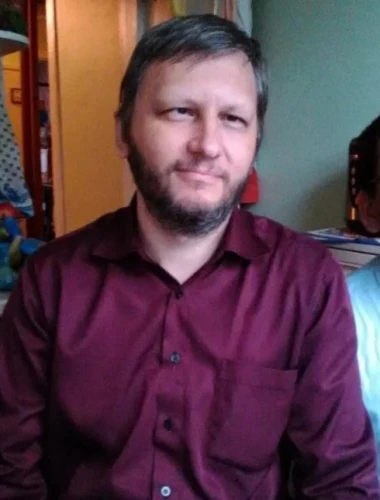
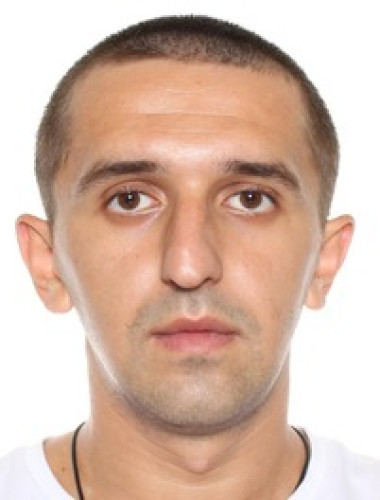
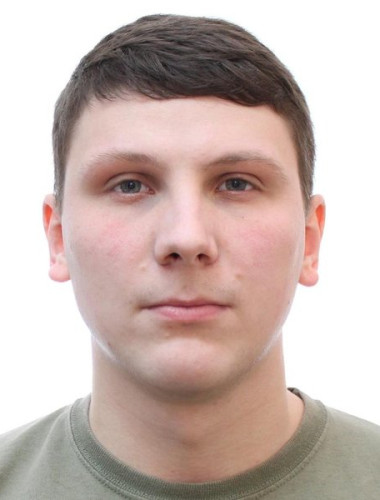
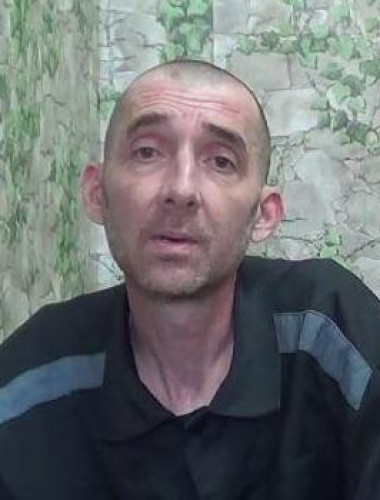
Vladimir Vakulov, a Russian national from Chelyabinsk Oblast, fought on Ukraine’s side, was taken prisoner, and was freed in an exchange in 2023. However, in August 2024 he was back in Russia in circumstances that remain unclear and, after a series of ‘carousel’ detentions, was charged with high treason. A military court sentenced him to 15 years in a high-security penal colony.
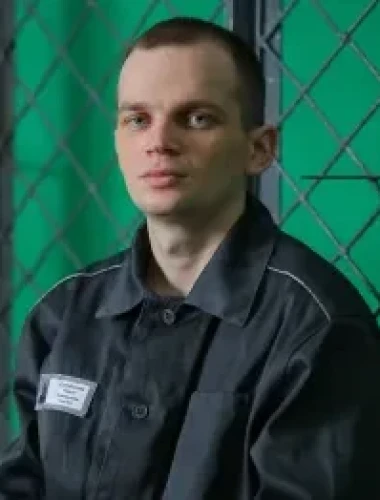
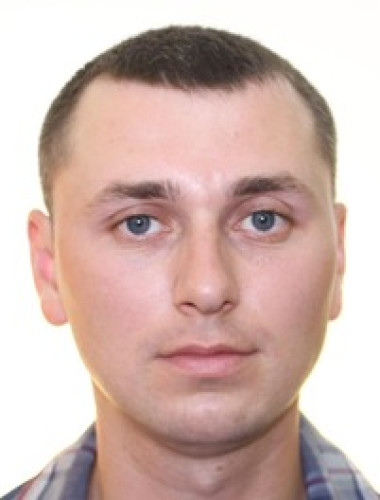
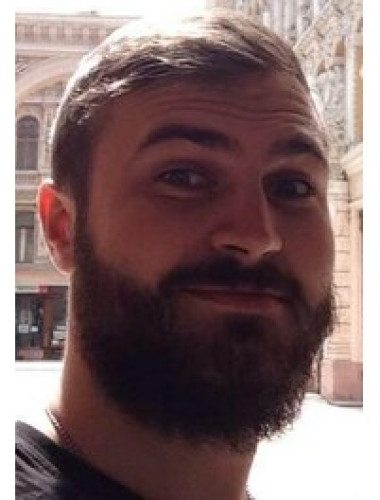
Mikhail Fetisov, a neurologist from St Petersburg, is married and has a Group III disability. He was subjected to a search in the summer of 2024 and forced to resign. Mikhail Fetisov was remanded in custody in October 2025 over three anti-war posts on VK. In these posts, he called Russian soldiers ‘scum’ and the war an ‘invasion’, quoted an article about the execution of a prisoner of war, and posted instructions on how to surrender. He faces up to 12 years in prison on charges of spreading military ‘fake news’ and public calls for activities directed against state security.
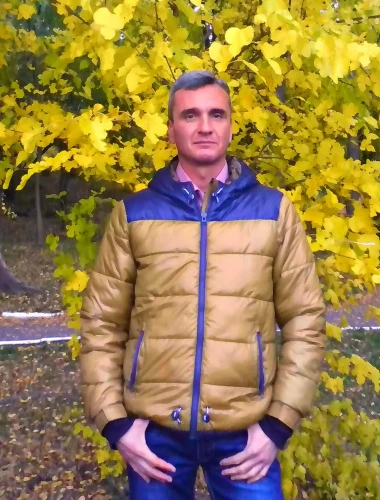
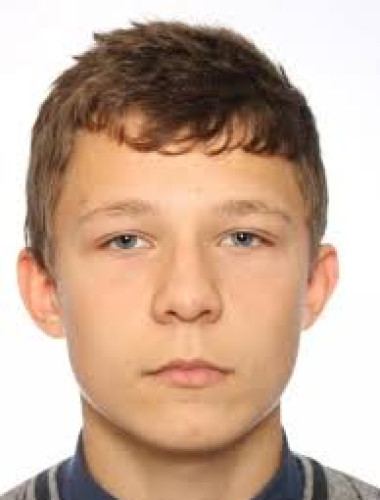
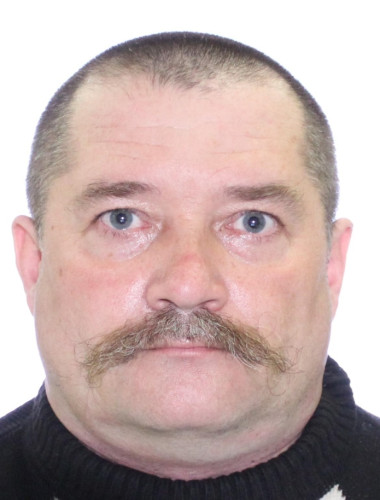
Sergei Smirnov, from Murmansk Oblast, is the father of a young child. A criminal case was opened against him over a single online comment in which he allegedly called for violent action against Vladimir Putin and State Duma deputies. The authorities alleged that the comment amounted to two offences: public calls for terrorist activity and public calls for extremist activity. Sergei Smirnov was sentenced to five years and two months in a penal colony in April 2025.
Three residents of occupied parts of Ukraine were sentenced to identical terms under the same article, which covers public calls for terrorism, its public justification, and propaganda of terrorism.
Serhii Strambovskyi, from Donetsk Oblast, is the father of a two-year-old child. He was charged with public justification of terrorism over a photograph of the burning Crocus City Hall that he posted on Telegram with the comment ‘Well, it does look beautiful’. Serhii Strambovskyi was sentenced to five and a half years in a penal colony in March 2025.
A criminal case was opened against Oleksii Sydiakin, from Nova Kakhovka in Kherson Oblast, over an online comment about the actions of the Armed Forces of Ukraine. He was charged with public justification and propaganda of terrorism. Oleh Tokar, from Donetsk Oblast, was charged with a similar offence: public calls for terrorism and its public justification over comments about the actions of the Russian Volunteer Corps (RDK) in Kursk Oblast. A military court sentenced both men to five and a half years in a penal colony in April 2026.
Ukrainian prisoners of war were charged with terrorism-related offences over their service with Azov and sentenced to long prison terms. Oleksandr Uren was sentenced to 21 years; Leonid Horokhov, Vsevolod Shyrokykh, Ivan Dudiiev, and Vasyl Mukhin to 20 years; Dmytro Kyshchenko, Andrii Popii, and Illia Popov to 19 years; Artem Stanyshevskyi, Oleksandr Rudenko, Danylo Skliarov, Viacheslav Potapov, Vitalii Slobodeniuk, Dmytro Sentiabriov, and Stanislav Honcharenko to 18 years; Roman Kuleshov to 16.5 years; and Denys Shelomiienko to 16 years in a high-security penal colony.
You can read more about these cases, including addresses for correspondence with political prisoners, in our full report.
One-off or regular donations in support of people affected by political repression in Russia can also be made via our website.
Political prisoners
-
 Malakei
Andrei Aleksandrovich275 275 205.5 pt.2 "Committing by a criminal organization of actions aimed at forcible seizure of power and forcible change of the constitutional order of the Russian Federation", up to 20 years' imprisonment 205.5 pt.2 "Committing by a criminal organization of actions aimed at forcible seizure of power and forcible change of the constitutional order of the Russian Federation", up to 20 years' imprisonment