Treason case against shop assistant, and charges of explosives possession, treason, and calls for terrorism against retired serviceman
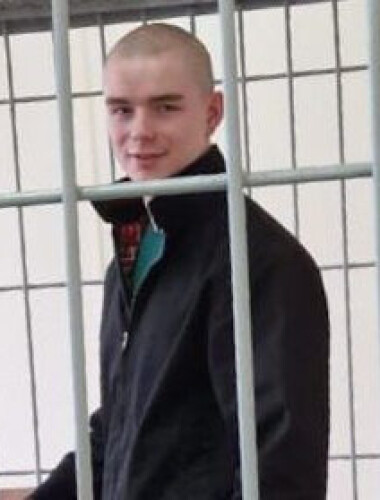
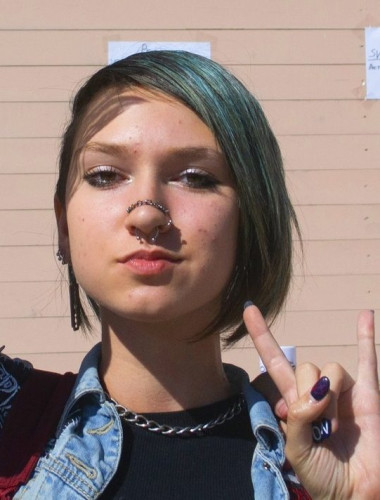
In 2022, anarchists Aleksandr Snezhkov and 16-year-old Lyubov Lizunova from Chita were charged with vandalism and calls for extremism over the phrase ‘Death to the regime’ written on a garage wall. Vladislav Vishnevsky was later accused of aiding these offences. Lizunova and Snezhkov were subsequently charged with justification of terrorism in relation to Telegram posts. They were arrested in January 2023. Vishnevsky was sentenced to 1.5 years of compulsory labour, while Lizunova received 3.5 years in a penal colony. Snezhkov was sentenced to nearly six years in a penal colony and was later charged with justifying terrorism after reading aloud to cellmates a post for which he had already been prosecuted. In 2026, he received a further sentence of 4 years and 9 months, taking into account the unserved portion of his earlier term.
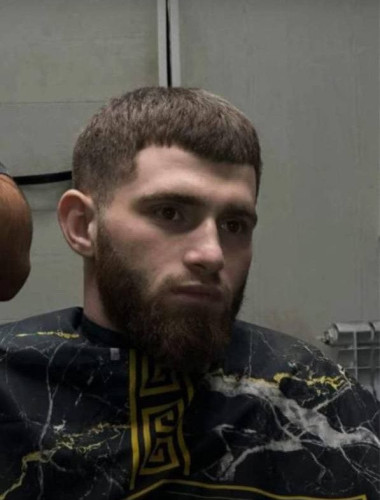
Mansur Khadzhiev was born in Chechnya but grew up in Oryol. He worked at a Pyatyorochka supermarket in Moscow. In January 2025, he was placed in pre-trial detention on charges of justification of terrorism and calls for activities deemed to threaten Russia’s security. The charges stemmed from videos about Chechen separatists that he published in 2021, as well as a comment expressing support for Ukraine. Khadzhiev was sentenced to 3.5 years in a penal colony.
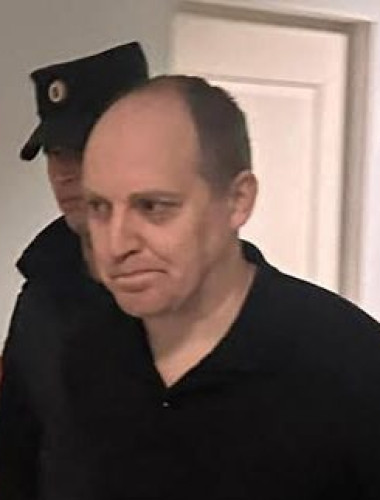
Andrey Kurylev, a radio technician from St. Petersburg, was arrested in December 2024 over comments about potential military targets for Ukrainian strikes and the killing of pro-war blogger Vladlen Tatarsky. He was sentenced to 5 years in a penal colony on charges of calls for terrorism.
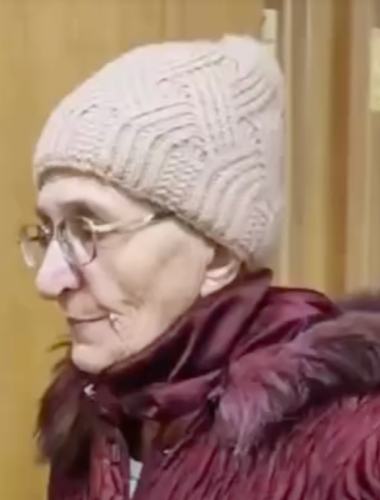
Halyna Bekhter, a pensioner from Ukraine’s Zaporizhzhia Oblast, was sentenced to 11 years in a penal colony for treason over an alleged donation to the Armed Forces of Ukraine. While in detention, her mental and physical health has deteriorated rapidly; she is believed to be developing dementia.
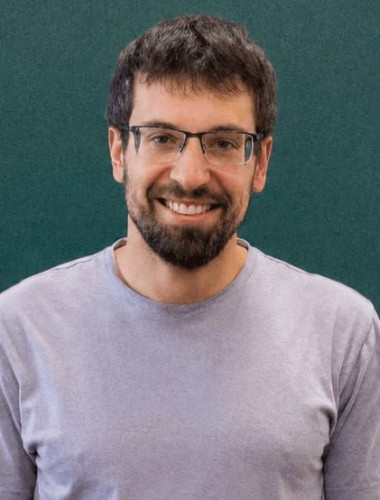
Andrey Dymov, an associate professor at the Faculty of Mathematics at the Higher School of Economics in Moscow, was accused of financing extremism over donations to Aleksei Navalny’s Anti-Corruption Foundation (FBK). At the end of May, he was sentenced to 3.5 years in a penal colony.
Entrepreneur Maksim Grigoriev, who had been living in China, travelled to Moscow to renew his documents. In July 2024, he was placed in pre-trial detention. He was accused of passing information about law enforcement officers to the ‘Freedom of Russia’ Legion and of working on software for drones. He was convicted of participation in an illegal armed formation and a terrorist organisation and sentenced to 13 years in a strict-regime penal colony.
Artyom Basyrov from Kemerovo was arrested in August 2022. He was initially convicted of preparing to participate in an illegal armed formation after allegedly intending to join the ‘Freedom of Russia’ Legion and sentenced to 3.5 years. This sentence was among those later used to justify the designation of the Legion as a terrorist organisation. That decision subsequently led to new charges against Basyrov: over a conversation in pre-trial detention, he was accused of facilitating terrorism, justifying terrorism, and participating in a terrorist organisation. In 2025, taking into account the unserved portion of his original sentence, he received a cumulative term of 12 years and 3 months in a special-regime penal colony.
Gennady Artyomenko, a retired lieutenant colonel from Nizhny Novgorod Oblast, attempted to evacuate his elderly mother from Ukraine. In connection with this, he contacted the Ukrainian military movement ‘ATESH’ and distributed anti-war leaflets. In October 2023, security officers arrested him on charges of possessing explosives, which were likely planted on him. Charges of treason and calls for terrorism were later added. Artemenko was tortured and his wife threatened, forcing her to leave Russia. He was sentenced to 18 years in a strict-regime penal colony.
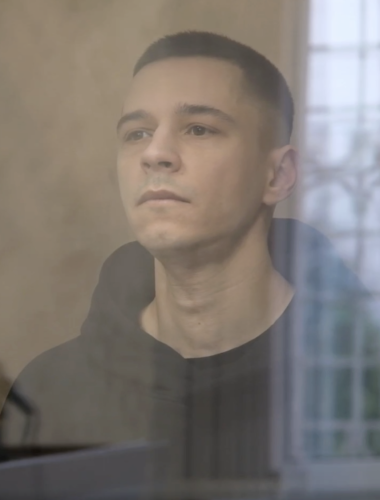
Yevgeny Parkhomenko, a shop worker from Bryansk Oblast, promised an alleged Ukrainian intelligence contact that he would pass on information about the Russian military and sent details of a serviceman supposedly willing to surrender — a figure invented by an agent provocateur. In October 2024, Parkhomenko was placed in pre-trial detention on treason charges and later sentenced to 12 years in a penal colony.
Grigory Istomin and Ivan Simonov from Sverdlovsk Oblast were arrested in 2023 and accused of setting fire to railway relay cabinets in opposition to the war. They were sentenced to 23 and 22 years respectively in strict-regime penal colonies on terrorism charges.
Ukrainian prisoners of war are being prosecuted for participation in a terrorist organisation and training in terrorism in connection with service in the Azov regiment. Rostyslav Okhrimenko was sentenced to 20 years in a penal colony, Valentyn Vasyleiko to 17 years. The sentences imposed on Oleksii Kaliuzhnyi, Illia Kovalenko, Kyrylo Kryvenko, Mykhailo Tytarenko, Oleksandr Ustenko, Dmytro Chebyshev, Stanislav Kotuma, Hennadii Chumachenko, Oleksii Chokan and Bohdan Pidluzhnyi are not publicly known.
You can read more about these cases, including addresses for correspondence with political prisoners, in our full report.
One-off or regular donations in support of people affected by political repression in Russia can also be made via our website.