Two and a half years for spitting on a St George ribbon, and eight years for posts on a blocked page
Read our overview of these and other cases of political prisoners we have recognised last week
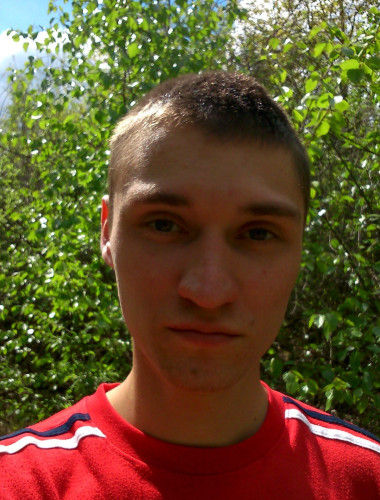
Nikolai Artamonov from Novorossiysk was detained at the local railway station in August 2023. He was allegedly about to travel to Ukraine on the instructions of a handler from the Freedom of Russia Legion and join the organisation. Nikolai Artamonov was also charged over online posts. He was sentenced to nine years in a high-security penal colony on charges of preparing to join a terrorist organisation, repeated discrediting of the Russian armed forces, and public justification of terrorism.
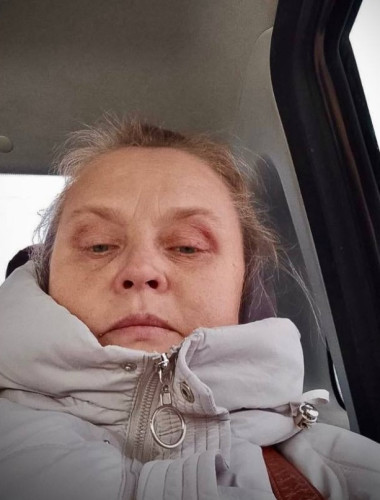
Criminal proceedings were brought against Snezhana Vozhakova, a care worker from Omsk, on charges of public justification of terrorism over posts on Telegram. She allegedly expressed anti-Russian views, supported banned Ukrainian organisations, and justified a drone attack on the Alabuga Special Economic Zone. In October 2025, a court sentenced Snezhana Vozhakova to three years in a penal colony.
Sergei Krutko from Bryansk Oblast was charged with public justification of terrorism over a single comment on Telegram posted beneath an entry containing a link to an interview with the commander of the Russian Volunteer Corps. In January 2026, a court sentenced Sergei Krutko to one and a half years in a penal colony.
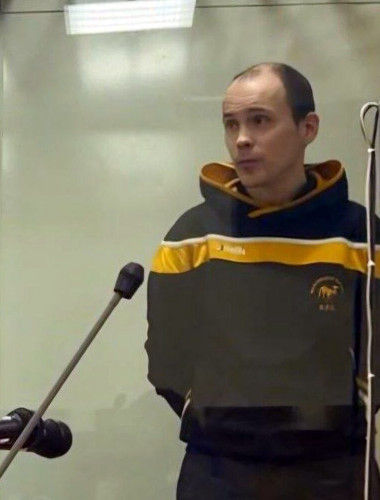
Dmitry Sorokin, a loader from St Petersburg, was remanded in custody in April 2024. He was charged with incitement to extremism, disseminating ‘fake news’ about the armed forces, and public justification of terrorism over posts on VK. By the time the posts in question were published, his page had been blocked in Russia. Dmitry Sorokin explained that he had copied the texts for his own use so that he could read them later. The court sentenced him to eight years in a penal colony.
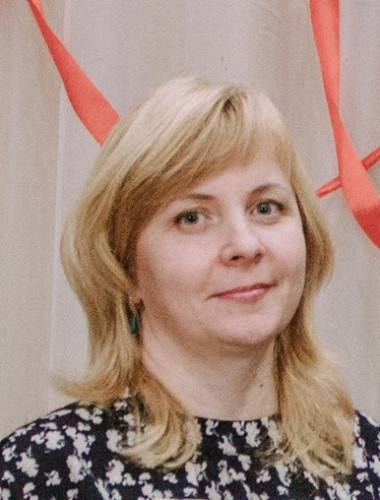
Natalya Shakh is a cultural centre employee and singer from the village of Pashiya in Perm Krai. In April 2026, she was sentenced to five and a half years’ imprisonment on charges of incitement to terrorism over comments on VK published in 2022–2023. In them, she wrote about the destruction of the ‘Slavic people’, ‘fascist scum’ in the Kremlin, and called on people to unite in ‘partisan detachments’.
Criminal proceedings were brought against Andrei Skutin, a Moscow-based trash streamer, in May 2025 following a denunciation. The case was prompted by an incident during a livestream in which he spat on a St George ribbon in exchange for a donation from a viewer. A court initially refused to remand Andrei Skutin in custody, but in October he was placed in pre-trial detention and subsequently sentenced to two and a half years in a high-security penal colony on charges of rehabilitating Nazism.
Vitaly Reznikov from Astrakhan was placed under house arrest on charges of financing extremism. According to investigators, he ‘watched video materials on anti-corruption issues’ and, ‘having become interested in the content’, transferred 500 roubles (≈€5) a month to accounts belonging to the Anti-Corruption Foundation for a year.
Halyna Datsko, a Ukrainian citizen, is a resident of an occupied settlement in Kherson Oblast. On her social media page, she published information about fundraising for Ukrainian servicemen. By February 2026 at the latest, she had been sentenced to three and a half years in a penal colony on charges of publicly calling for activities directed against the security of the Russian Federation.
Azov servicemen captured and taken to Russia were charged with participation in a terrorist community and sentenced to lengthy prison terms. Oleksii Pleshivtsev and Oleksandr Skuratovskyi each received six years in a penal colony, while Volodymyr Lisichenkov received seven years. Serhii Tymoshev, who was also charged with terrorist training, was sentenced to nineteen and a half years.
You can read more about these cases, including addresses to write to the political prisoners, in our full report.
By staying informed, sharing updates, or making one-off or regular contributions, you can help those affected by political repression in Russia.