Thirteen years for a Russian citizen who had lived in Ukraine over money transfers, twenty-seven years for a Ukrainian prisoner of war with Russian citizenship convicted of state treason and terrorism
Read our overview of these and other cases of political prisoners we have recognised last week
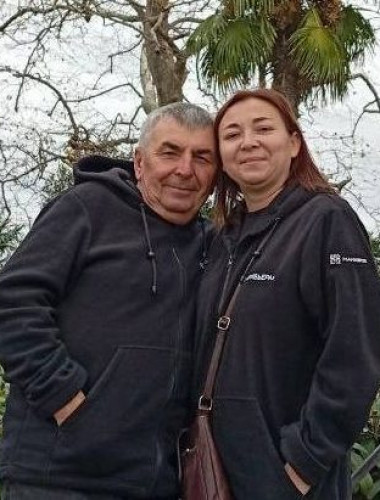
In April 2025, security forces abducted a married couple in Crimea — Nataliia Polyukh and Oleg Platonov. Their nine-year-old son spent several months in a care home while Nataliia’s brother obtained legal guardianship. The authorities have not disclosed the grounds on which the couple continue to be held incommunicado at an undisclosed location.
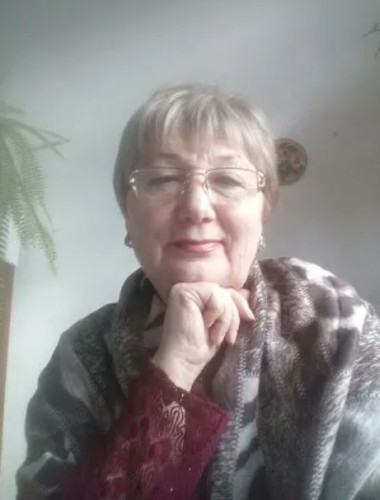
Nataliia Kozlova from occupied Tokmak in Ukraine’s Zaporizhzhia Oblast was charged with financing terrorism. For transfers to the Azov battalion, a court sentenced the 67-year-old pensioner to nine years in a penal colony in February 2026.
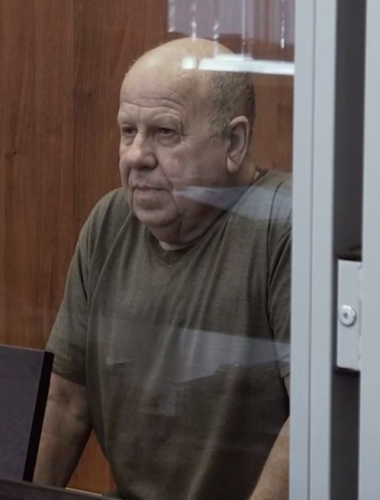
Ivan Chornyi is also a pensioner from Tokmak. In June 2026, he was sentenced to thirteen years on charges of state treason. He allegedly transferred 4,100 hryvnias (9,315 roubles) to accounts linked to the Ukrainian armed forces.
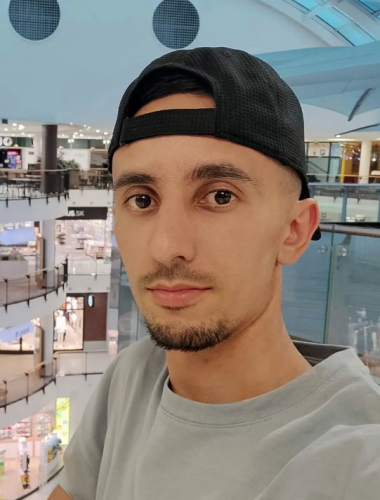
Semyon Kravchenko, a Russian citizen, had been living in Ukraine, where his child was born. On 24 February 2022, he was wounded by Russian forces. He later left for the European Union but in November 2024 decided to relocate to Sevastopol, where his relatives lived. He was detained upon entering Russia and charged with state treason and financing terrorism over transfers in support of the Ukrainian armed forces and the Azov battalion. He maintains that the transfers from his account were made by his friends. The court sentenced Kravchenko to fourteen years in a high-security penal colony.
Viacheslav Popovych, originally from Kherson, found himself under occupation and took Russian citizenship, but subsequently managed to leave. Having reached Ukraine, he joined the Aidar battalion and was captured in May 2024. Criminal proceedings were brought against him on charges of state treason, participation in a terrorist organisation, and undergoing terrorist training. He was sentenced to twenty-seven years in a high-security penal colony.
Andrei Vasilenko, a food production worker from Voronezh, was detained in March 2024 and charged with attempted sabotage on the grounds that he had allegedly been preparing, on instructions from Ukraine, to set fire to a locomotive and had photographed a relay cabinet. On charges of attempted sabotage, undergoing training in sabotage, and state treason, Vasilenko was sentenced to seventeen years in a penal colony.
Oleg Roldugin is a journalist at Novaya Gazeta. He was charged with the unlawful use of computer data containing personal information, on the grounds that he had used bots to look up personal data for his journalistic investigations. In April 2026, Roldugin was remanded in custody, in June, he was transferred to house arrest.
In February 2026, Natalia Goloshchukova from Rostov was placed under house arrest on charges of financing extremism. She is accused of transferring 9,000 roubles to Anti-Corruption Foundation accounts.
The same charge is being brought against Aleksandr Gniteev, a scholar from Yekaterinburg. He was reportedly remanded in custody in May 2026 over transfers to the Anti-Corruption Foundation. Gniteev had previously been sentenced to eight years on charges of state treason and was released in 2018.
Tatiana Zorina, the owner of a club in Chita, was sentenced in March 2026 to four years in a penal colony for organising the activities of an extremist organisation — the so-called ‘international LGBT movement’. On appeal, the sentence was increased to six years and two months.
Rositsa Georgieva is an entrepreneur from Volgograd Oblast and a citizen of both Russia and Bulgaria. She was detained in December 2024 and, following two administrative arrests, remanded in custody on charges of publicly advocating terrorism. For two comments in the Russian Volunteer Corps Telegram channel, Georgieva was sentenced to three years in a penal colony.
Andrei Shkolin, a warehouse worker from St Petersburg, was arrested in April 2025 over a post made five years earlier about Mikhail Zhlobitsky, who had carried out a suicide bombing at an FSB building. Shkolin was charged with publicly advocating terrorism and, despite numerous health problems, was sentenced to five years in a penal colony.
You can read more about these cases, including addresses to write to the political prisoners, on our website.
By staying informed, sharing updates, or making one-off or regular contributions, you can help those affected by political repression in Russia.