Five years for a Ukrainian-born woman over posts about Bucha and seven years for a pensioner over a video title
Read our overview of these and other cases of political prisoners we have recognised last week
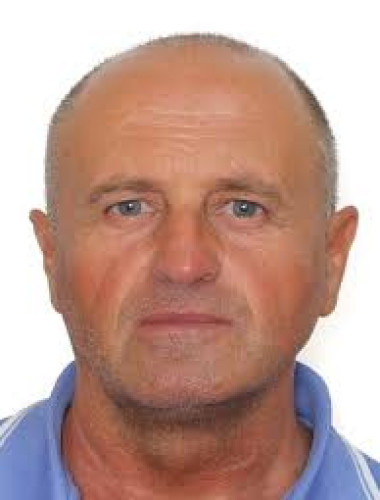
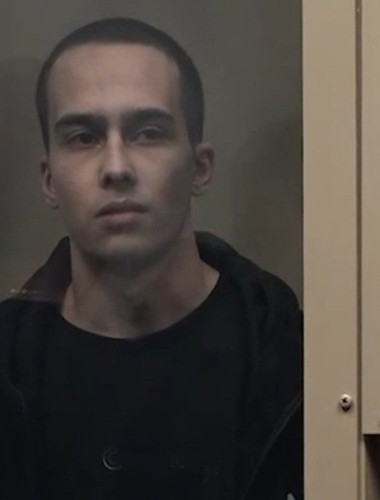
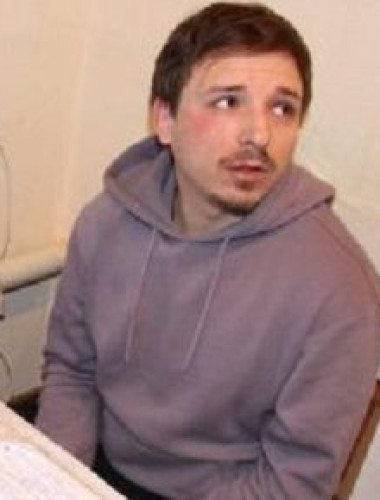
Bohdan Mytiuk, a Ukrainian-born resident of Bryansk, was first fined under administrative law over anti-war posts. In December 2025 he was sentenced to two years in a settlement penal colony for a repeat offence of ‘discrediting’ the Russian army. A criminal case was opened over social media posts which, according to the prosecution, he had published because he opposed the war and felt ‘hatred towards the current political regime in the Russian Federation’.
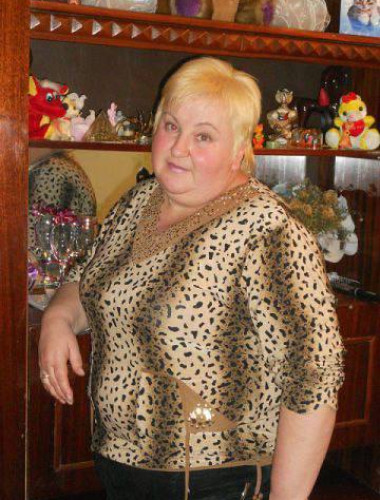
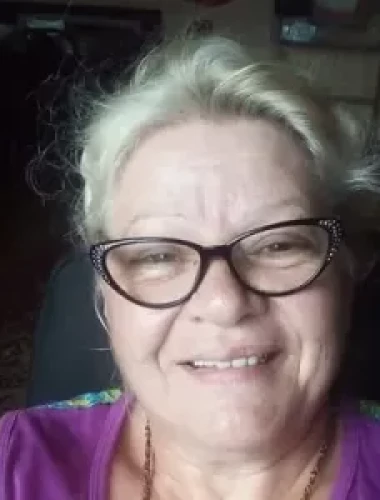
In June 2025 Natalia Yakymova, a Ukrainian-born resident of the Moscow Oblast, was arrested on charges of spreading military ‘fake news’ after spending one and a half months in a cycle of successive short-term detentions (‘carousel’ arrests). She was sentenced to five years in a penal colony over two reposts from opposition Telegram channels discussing war crimes committed by Russian troops in the Ukrainian town of Bucha. In court, Natalia Yakymova said that her adopted nephew and her grandson had both been killed in a Russian missile strike in Ukraine.
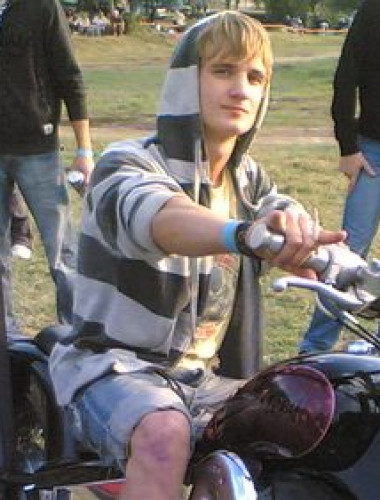
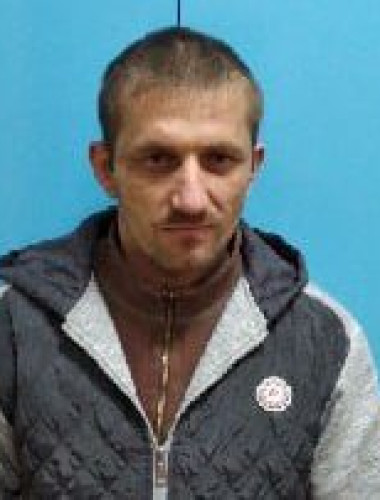
Volodymyr Kulbatskyi, a Ukrainian citizen, lived in Rostov Oblast and worked as a security guard. He was detained in March 2022. According to the prosecution, between 2014 and 2019, while living in Ukraine, he was a member of the Right Sector and fought with the Ukrainian Volunteer Army. Volodymyr Kulbatskyi was sentenced to seven years and 11 months in a high-security penal colony on charges of participating in an extremist organisation and an illegal armed formation.
Svitlana Loi, from occupied Tokmak in Ukraine’s Zaporizhzhia Oblast, was sentenced in February 2026 to 15 years in a penal colony for high treason. According to the prosecution, she transferred the equivalent of 63,420 roubles (≈€633) from her Ukrainian pension to support the Ukrainian Armed Forces.
Oleksandr Bieliaiev, an entrepreneur and manager from occupied Sevastopol, was detained no later than March 2025. He was charged with promoting terrorism and publicly calling for terrorist activity over eight social media posts expressing support for the Freedom of Russia Legion and the Russian Volunteer Corps (RDK) and urging others to join them. In April 2026 Aleksandr Belyaev was sentenced to five years’ imprisonment.
Yegor Prasov, a resident of a Kuban stanitsa, was sentenced in April 2026 to three years in a penal colony on charges of publicly calling for terrorism over a comment which investigators said called for a nuclear strike on Russian territory.
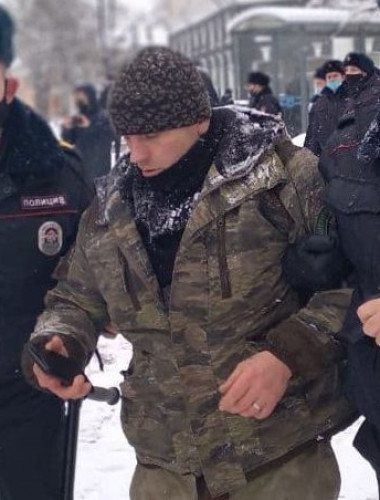
Oleg Ivanov, from Pskov Oblast, was remanded in custody in November 2025. Investigators claimed that comments he posted on VK contained calls for extremist and terrorist activity, including overthrowing the government, shooting police officers and hanging Putin from a lamppost. Oleg Ivanov was sentenced to six years in a high-security penal colony.
According to investigators, Dmitry Zhuravlyov, from Volgograd, established contact with ‘a Ukrainian organisation controlled by the HUR’ (Ukraine’s Main Directorate of Intelligence) and a year later carried out its only assignment: posting ‘a comment justifying terrorism’. He was detained shortly afterwards, in October 2024. Convicted of confidential cooperation with a foreign state and public justification of terrorism, Dmitry Zhuravlyov was sentenced to seven years in a penal colony.
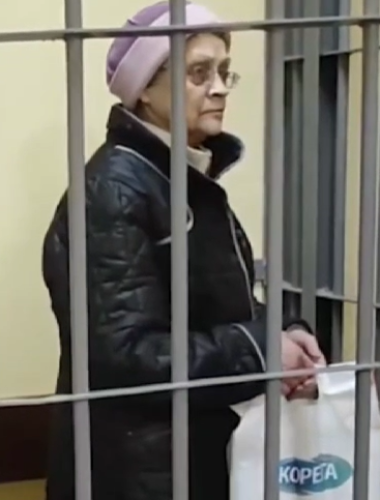
Angelina Mkhitaryan is a pensioner from Primorsky Krai, a grandmother of ten and a supporter of the Citizens of the USSR movement. In August 2025 she was sentenced to seven years’ imprisonment under two articles of the Russian Criminal Code. Investigators claimed that the title of her YouTube video, ‘Impale those behind digitalisation, led by MAKSUT SHADAYEV’, contained both extremist content and calls for terrorism.
Two Moscow residents were charged with financing extremism over donations to the Anti-Corruption Foundation. Sergei Gaidaichuk has been held in custody since May 2026, while Yabloko party member Yelena Perepelitsa has been in custody since July.
Three young men from Tuapse were detained in December 2023 over the arson of a railway relay cabinet. Arsen Shaginyan and Arkady Kerselyan were sentenced to 12 years in a high-security penal colony on sabotage charges, while Agop Manukyan received nine years on a charge of attempted sabotage.
Ukrainian prisoners of war Oleh Pavlenko, Serhii Krasiuk and Vasyl Chykh were charged with participation in a terrorist community over their service with Azov. The court sentenced each of them to six years in a penal colony.
You can read more about these cases, including addresses for correspondence with political prisoners, in our full report.
One-off or regular donations in support of people affected by political repression in Russia can also be made via our website.